– The Origin of Jin Jun Mei
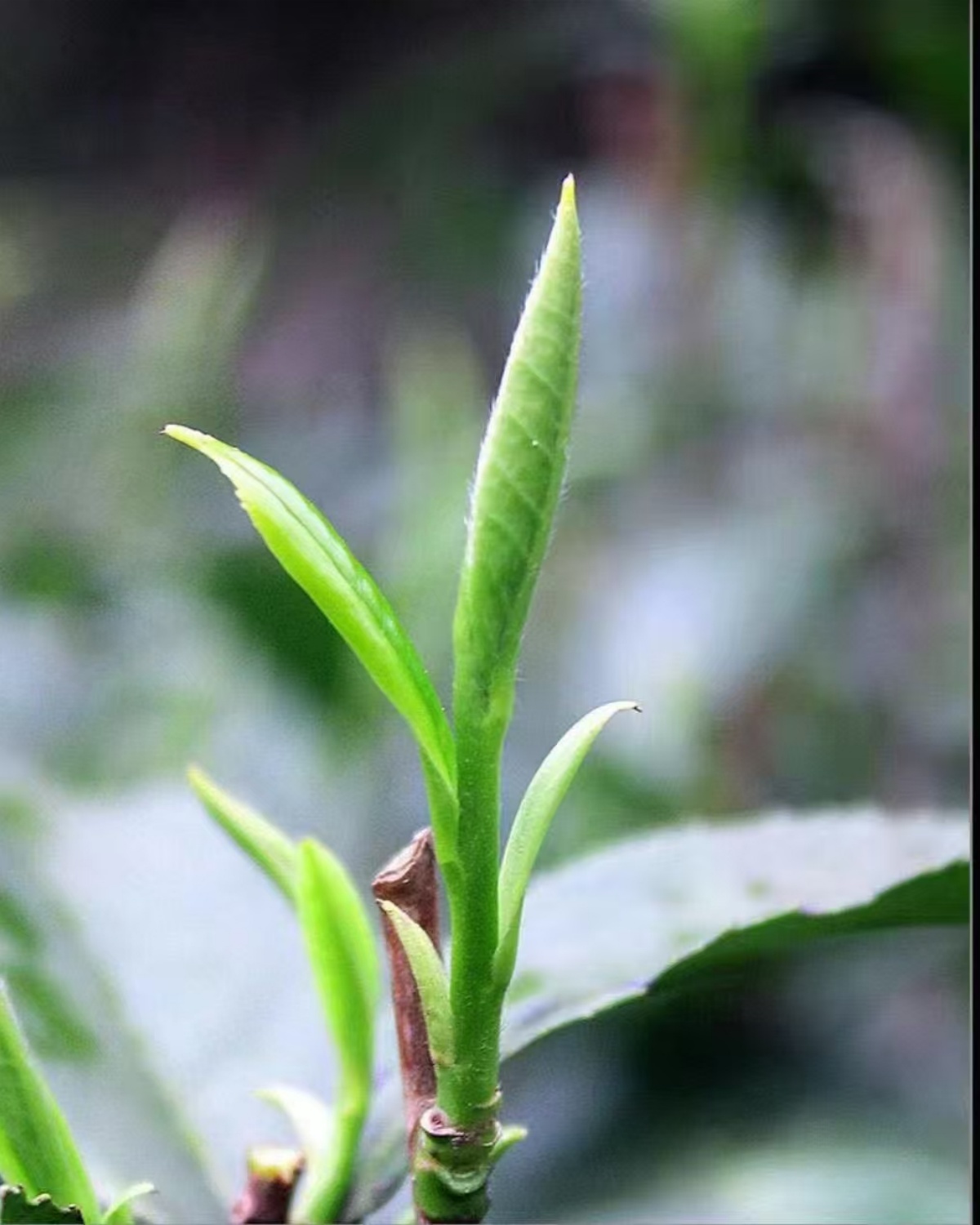
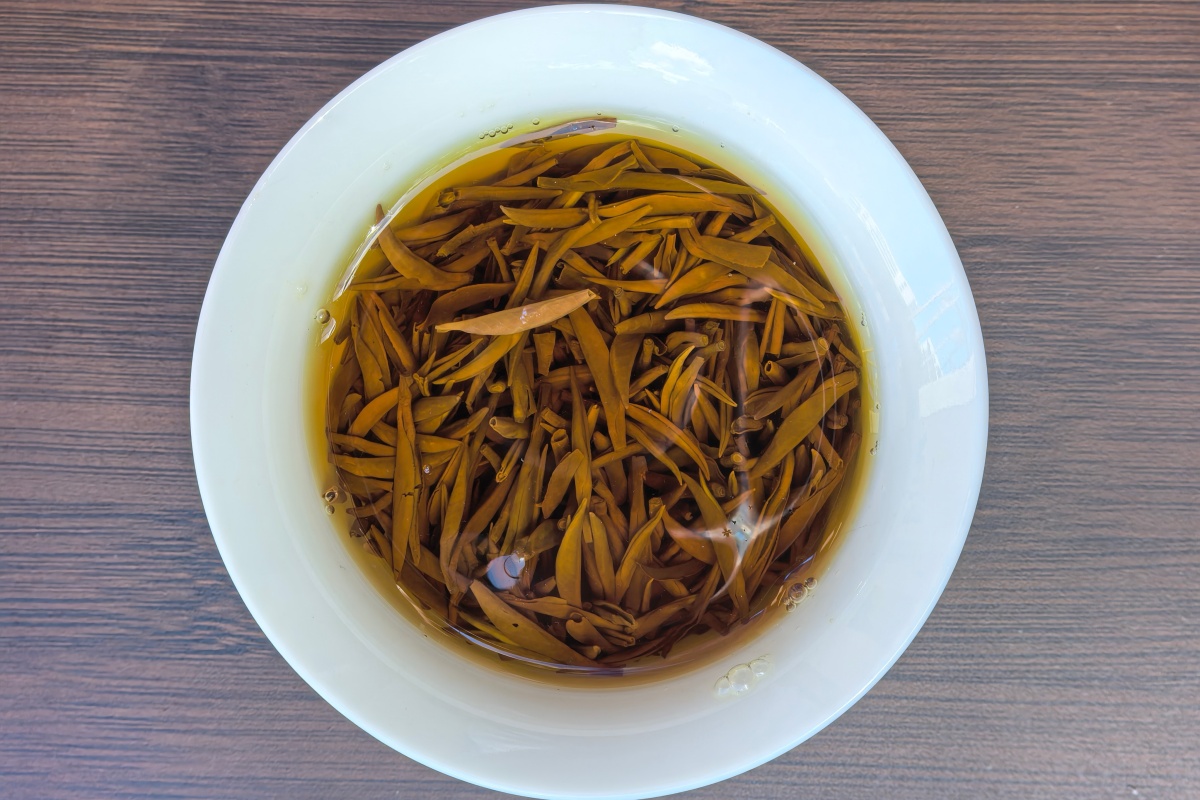
Jin Jun Mei black tea(Golden Horse Eyebrow)is a premium black tea made exclusively from the bud shoots of pristine, high-mountain tea plants within the 565-square-kilometer core area of the Wuyishan National Nature Reserve.
It was developed by integrating innovative techniques into the traditional craftsmanship of Lapsang Souchong black tea.
The naming of "Jin Jun Mei" carries profound meaning:
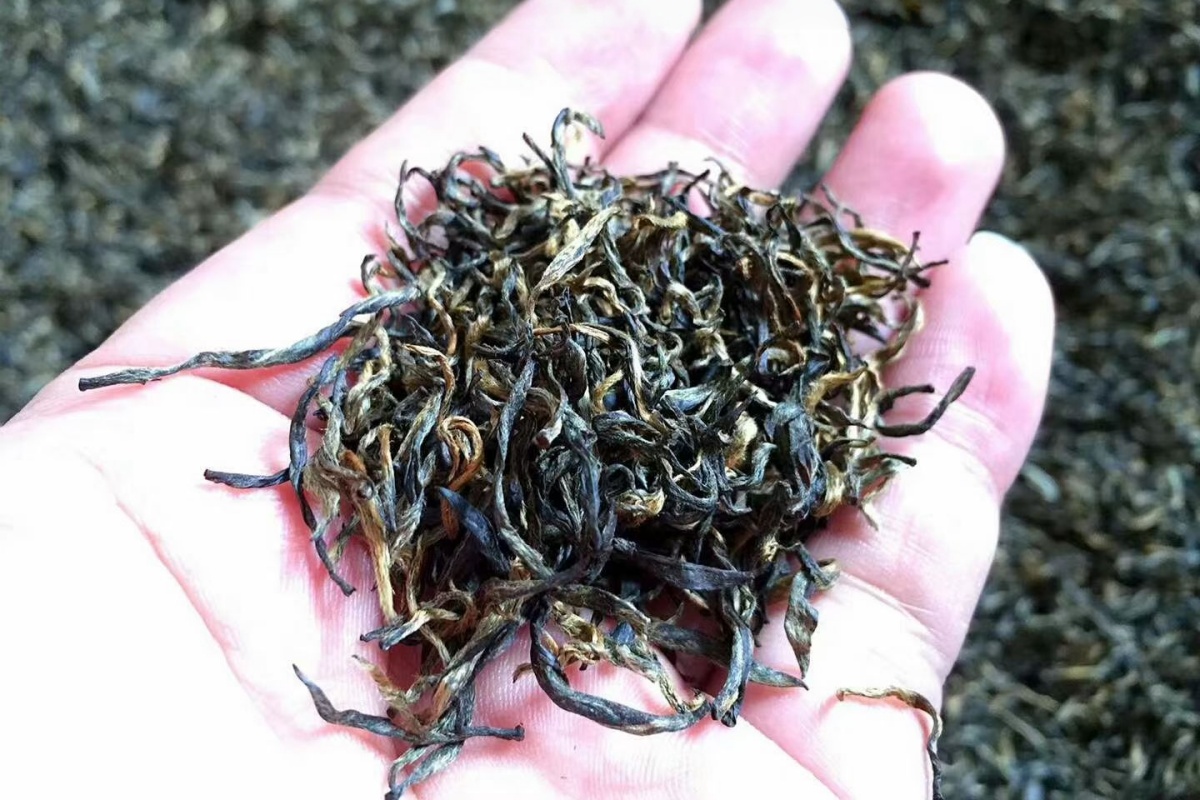
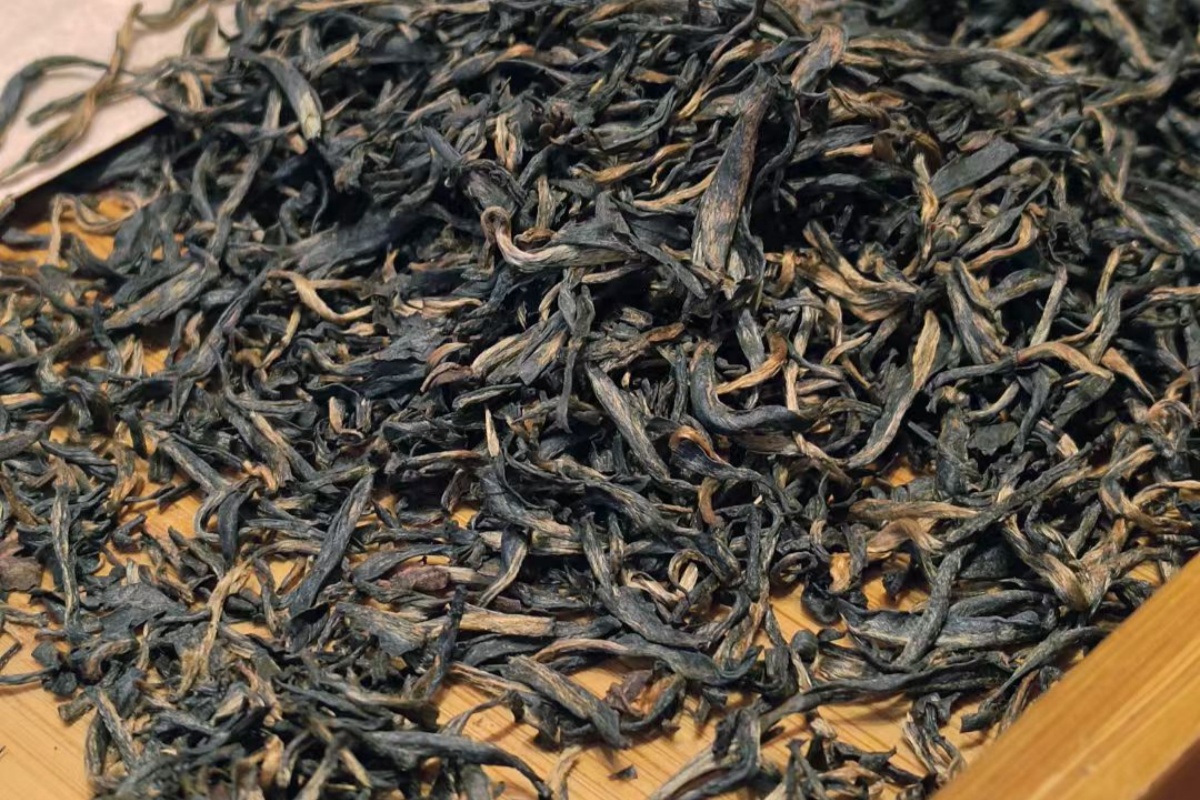
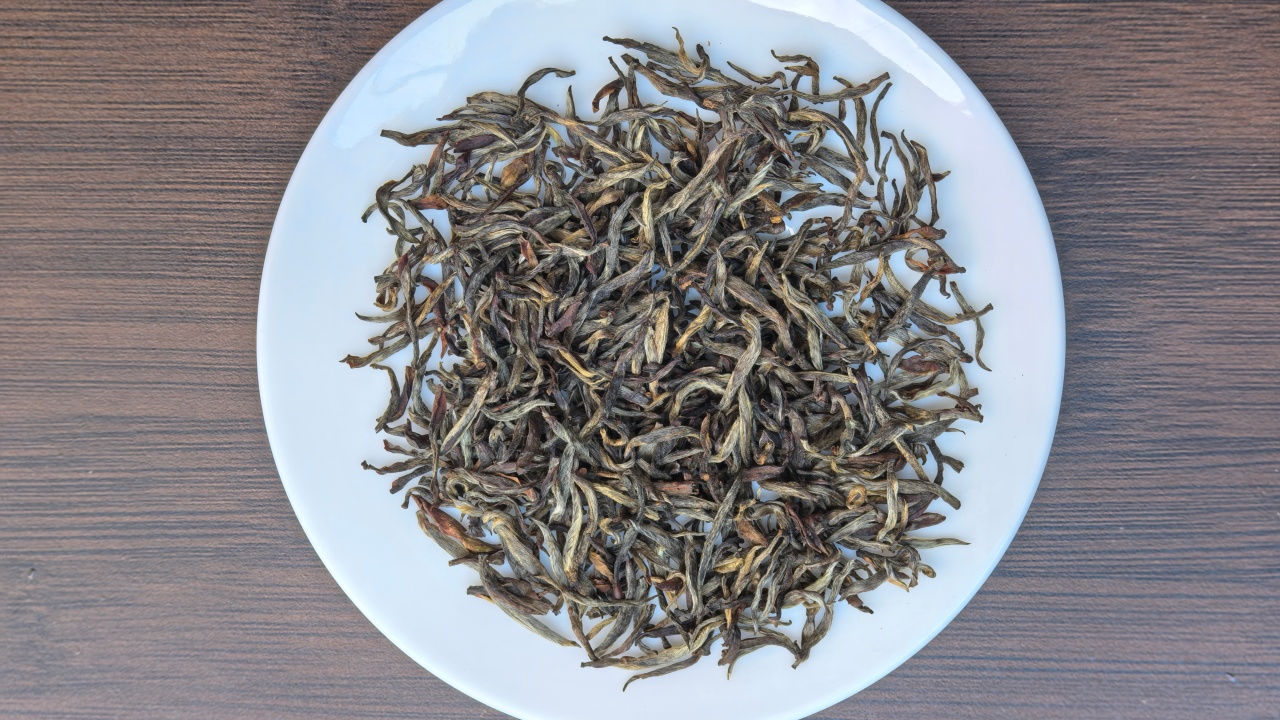
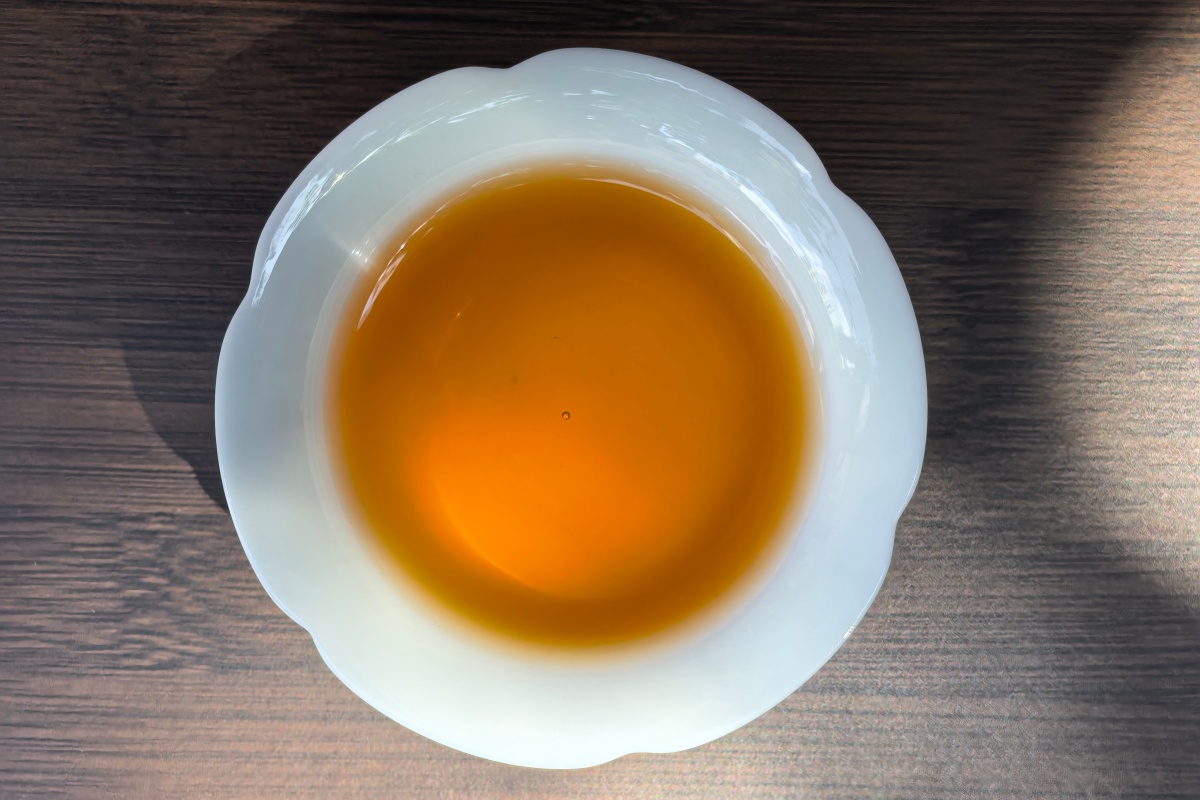
Jin (金, Gold): Refers to its color, indicates its quality, and symbolizes its value. The tea strips are golden, the liquor is golden-yellow, and it is difficult to produce, making it as precious as gold—hence the character "Jin."
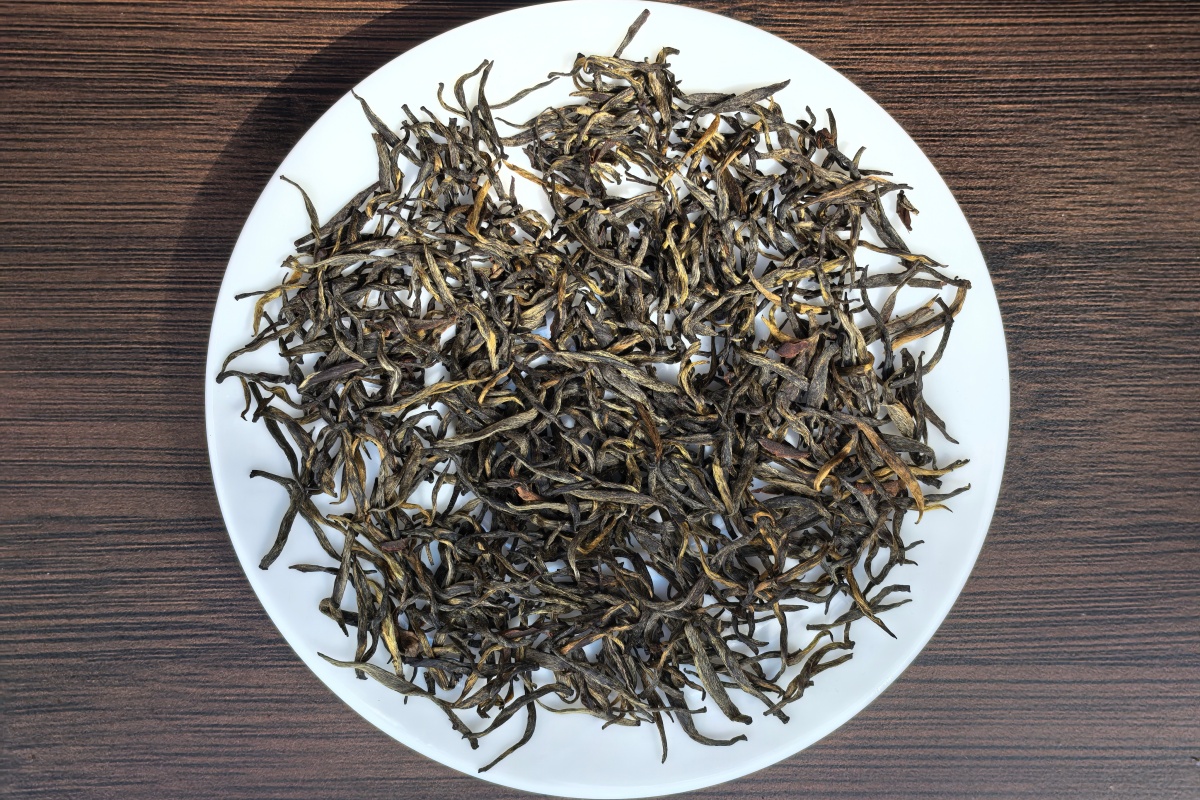
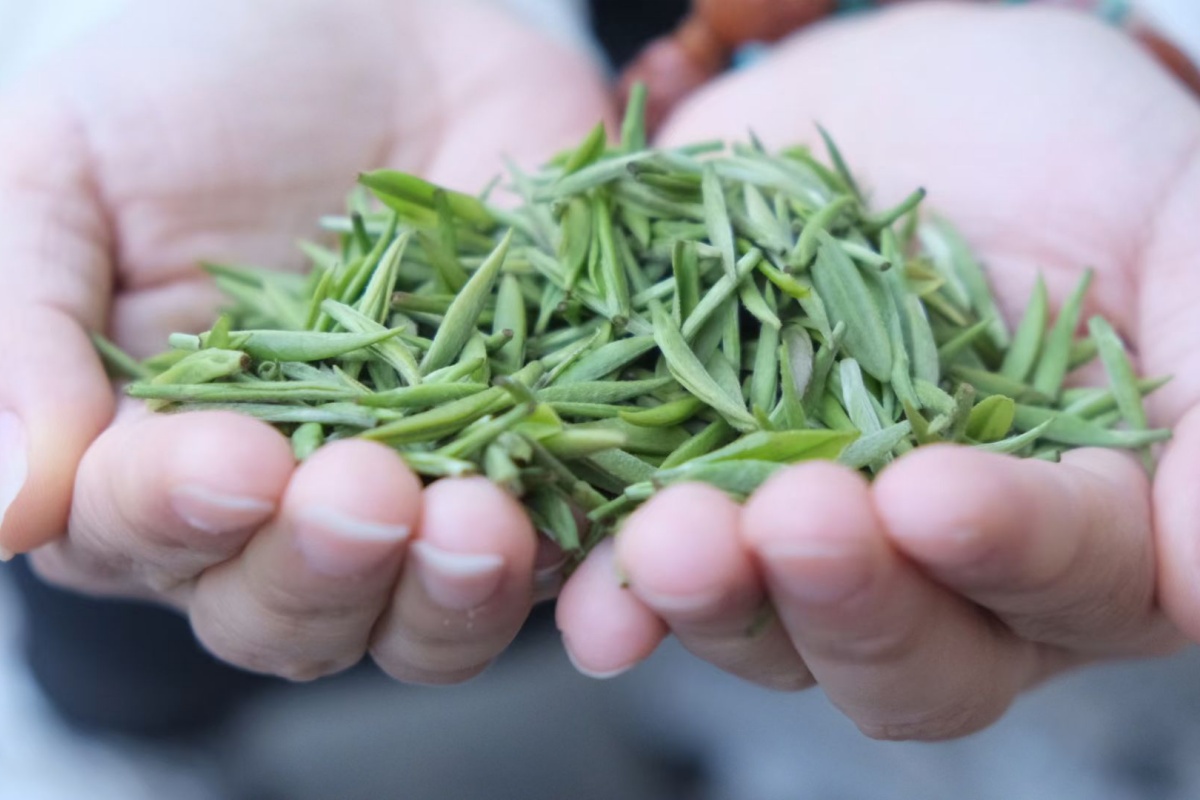
Jun (骏, Horse): Represents its shape, signifies its origin, and conveys aspirations. The raw material is picked from lofty, rugged mountains. The dry tea resembles a seahorse shape. It also carries the hope that this tea would develop as vigorously as a galloping steed. Furthermore, the names of several key contributors to its creation—Jiang Junsheng, Jiang Junfa, Liang Junde—contained the character "Jun," solidifying its choice.
Mei (眉, Eyebrow): Demonstrates its refinement, showcases the skill involved, and denotes its ability to withstand multiple infusions. Historical tea records like the "Ming ChaLu" mention teas called "Shou Mei" (Longevity Eyebrow) and "Zhen Mei" (Precious Eyebrow). Fine teas made from beautiful buds are called "Mei," with "Mei" also carrying the connotation of longevity—thus the character "Mei" was chosen.
– The Growing Environment of Jin Jun Mei
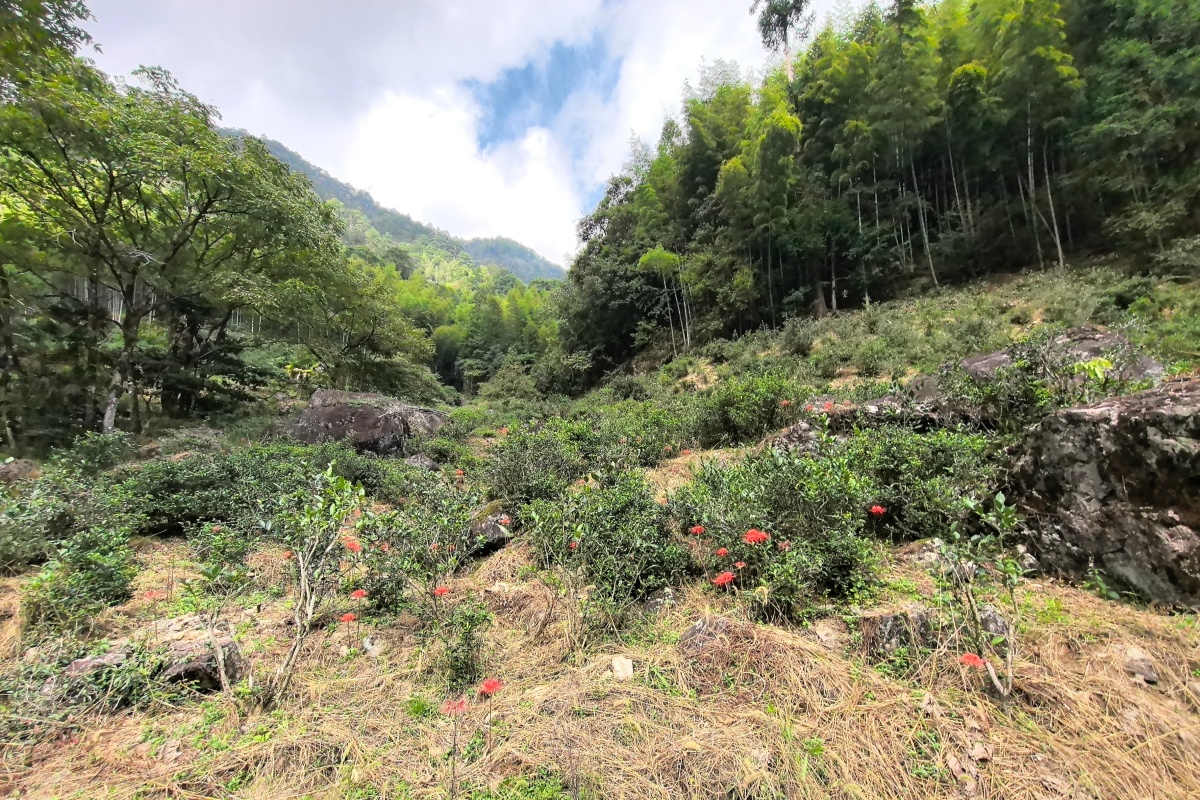
Pristine Ecosystem: Jin Jun Mei tea gardens are scattered along valleys and ravines within the Wuyishan Nature Reserve. The reserve has a forest coverage rate of 96.3%.
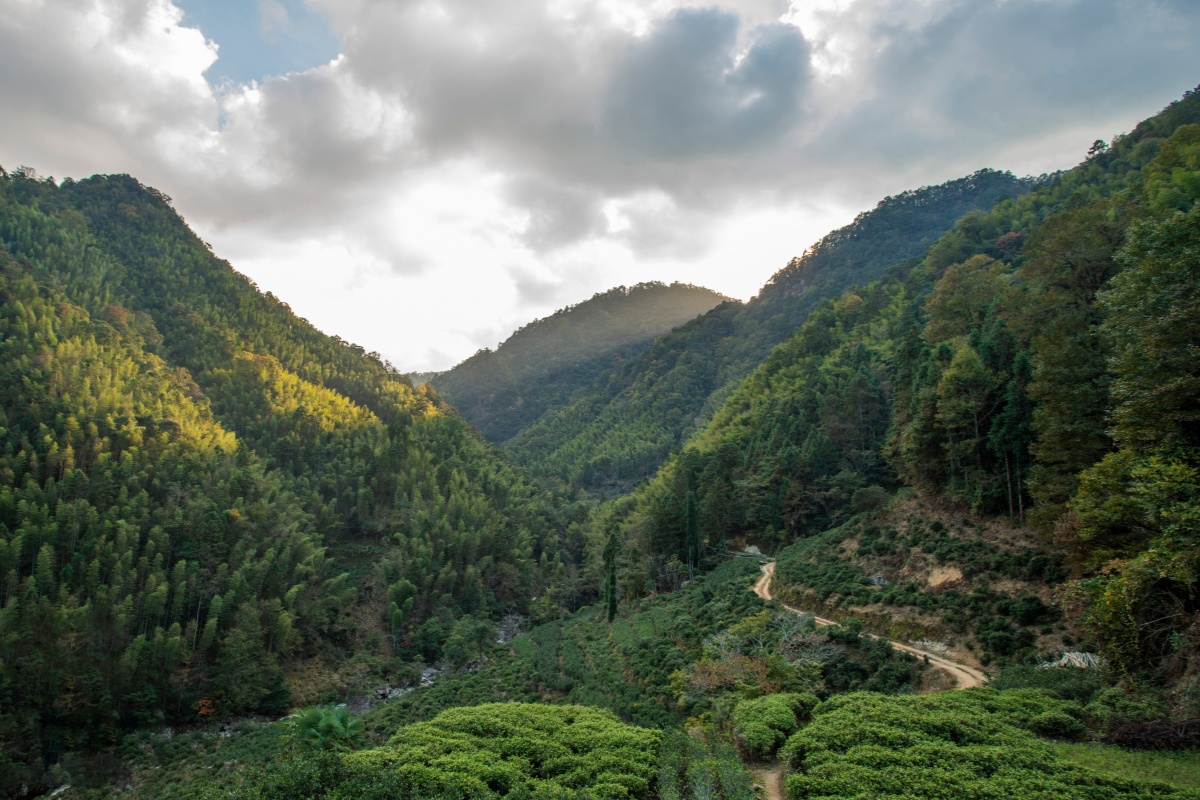
This robust forest ecosystem fosters immense insect diversity, creating a balanced food chain where various organisms coexist and check each other, achieving a high degree of ecological equilibrium. This acts as a "natural protective screen" for the tea gardens.
High Altitude: The tea gardens are primarily located between 800 and 1500 meters above sea level in areas like Aotou, Miaowan, Guadun, and Malu.
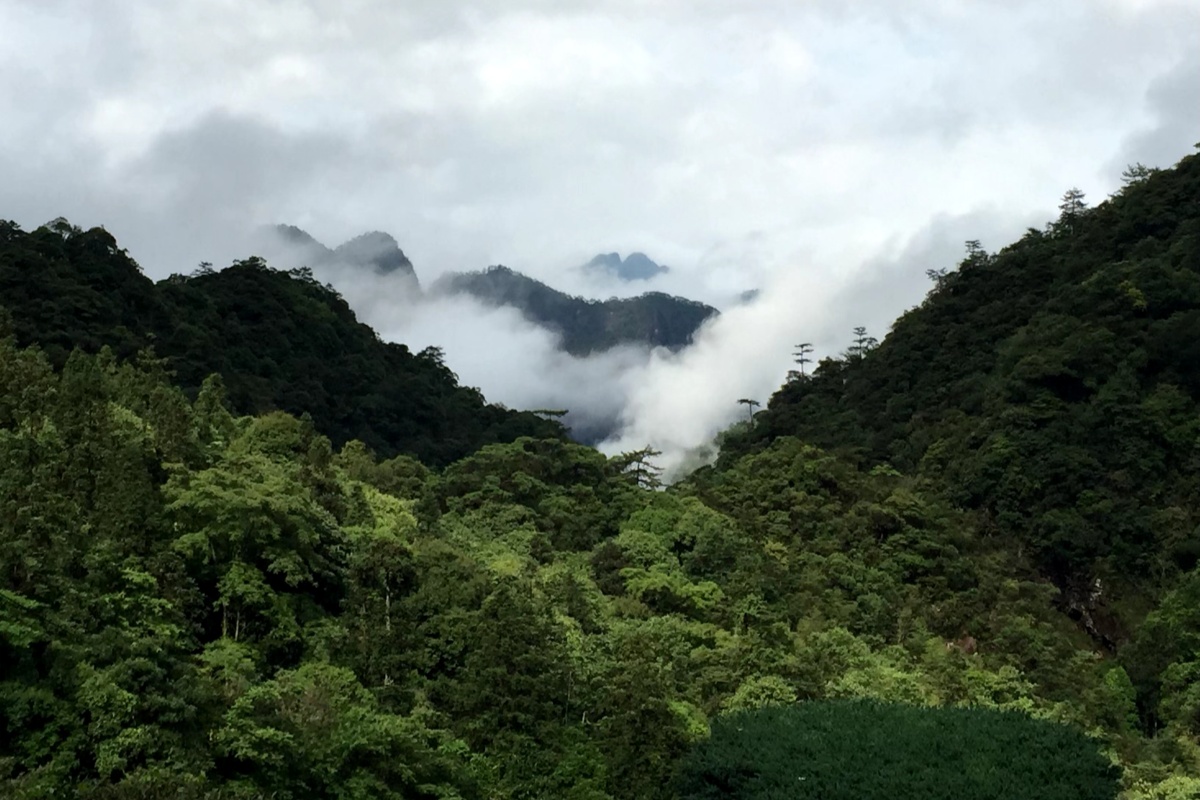
These areas have distinct microclimates, abundant diffused sunlight, and strong ultraviolet radiation, which are highly conducive to tea plant growth and the development of superior quality.
Low Annual Average Temperature: The annual average temperature in Jin Jun Mei tea gardens ranges from 8.5°C to 18°C, with the main peak, Mount Huanggang, averaging 8.5°C.
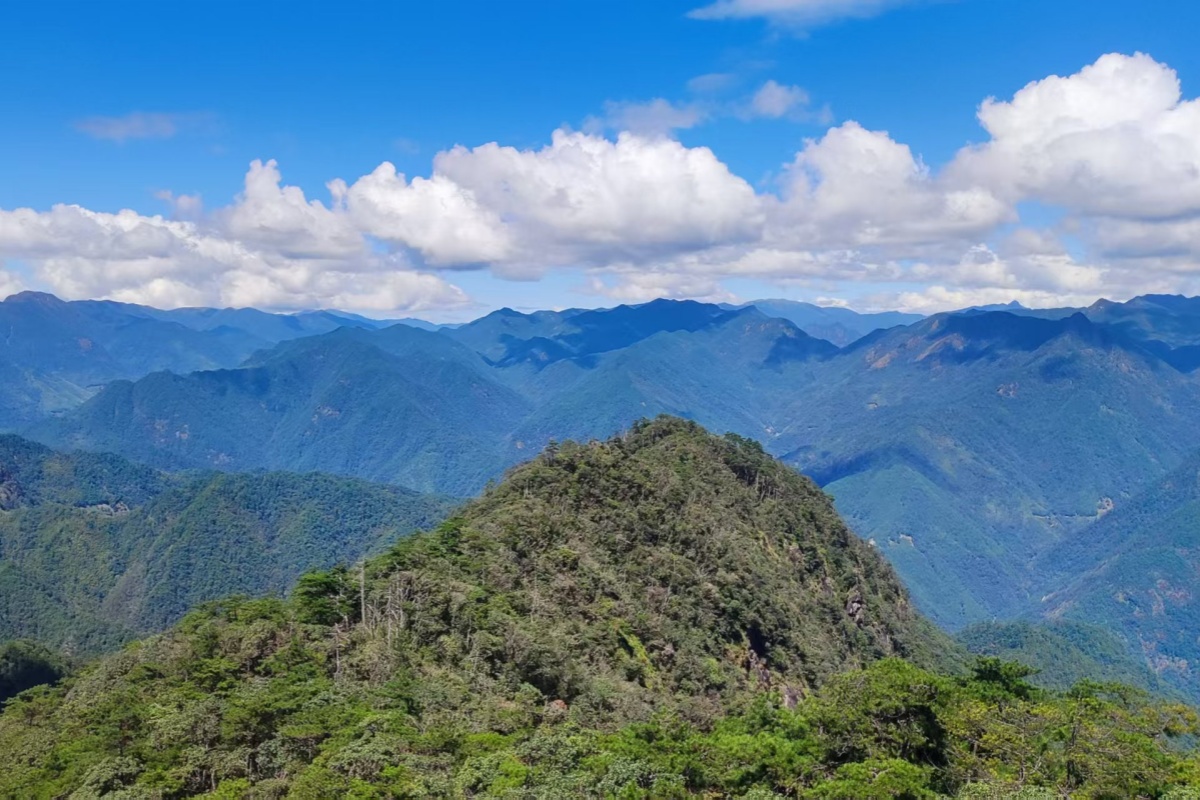
The low annual average temperature, small seasonal variations, hot midday temperatures, cool mornings and evenings, and significant diurnal temperature differences favor photosynthesis and the accumulation of dry matter in the tea plants.
High Relative Humidity: The areas where the tea gardens are located receive an average annual rainfall of about 2000 mm, concentrated mainly between March and October, the key tea growth period.
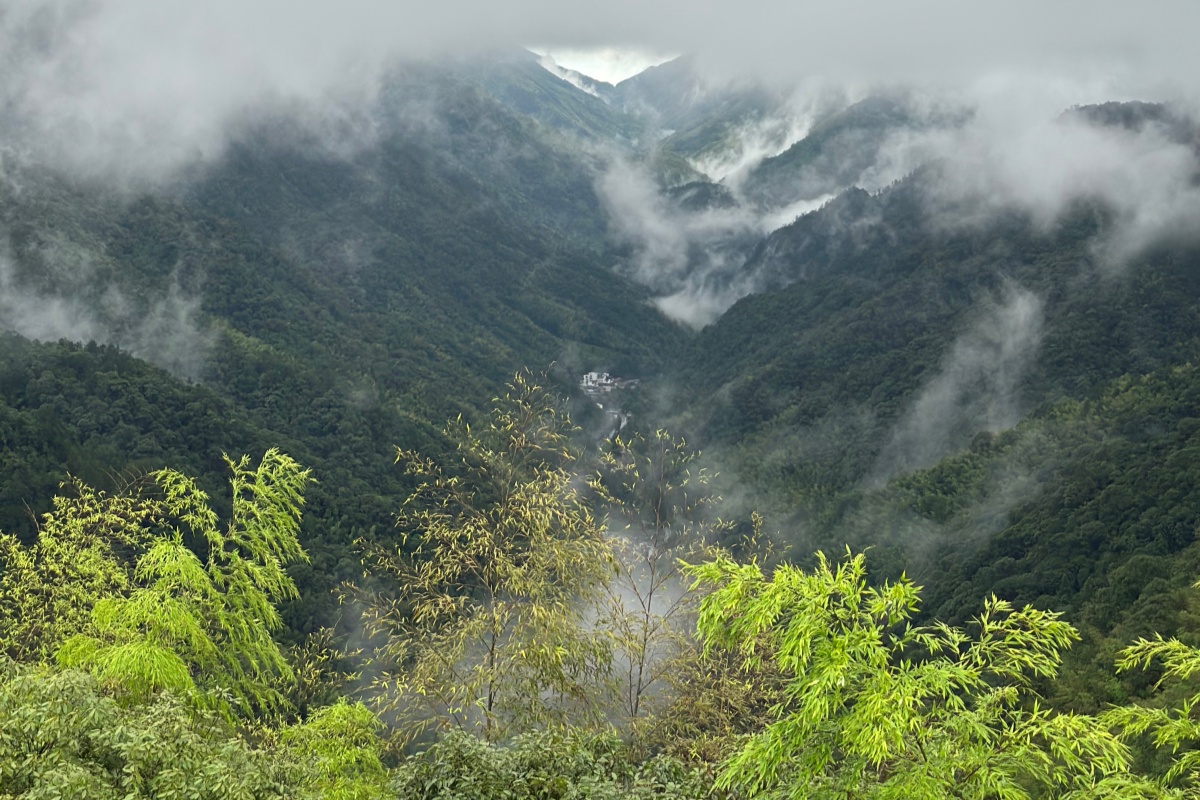
The relative humidity ranges from 78% to 84%, averaging 80%. Growing in such conditions results in tea leaves with good tenderness and high quality, while also protecting them from frost damage.
High Soil Fertility: The soil in these tea-growing areas is classified as mountain yellow soil and mountain yellow-red soil. With a pH value of 4.5–5 and a soil depth of 30–90 cm, the soil is loose, has good drainage, and possesses high natural fertility, eliminating the need for chemical fertilizers and providing an excellent environment for tea plant growth.
– The Production Process of Jin Jun Mei
Timely Plucking: Jin Jun Mei has extremely strict standards for raw material plucking. It uses only the bud shoots from tea plants within the designated producing areas of the Wuyishan Nature Reserve.
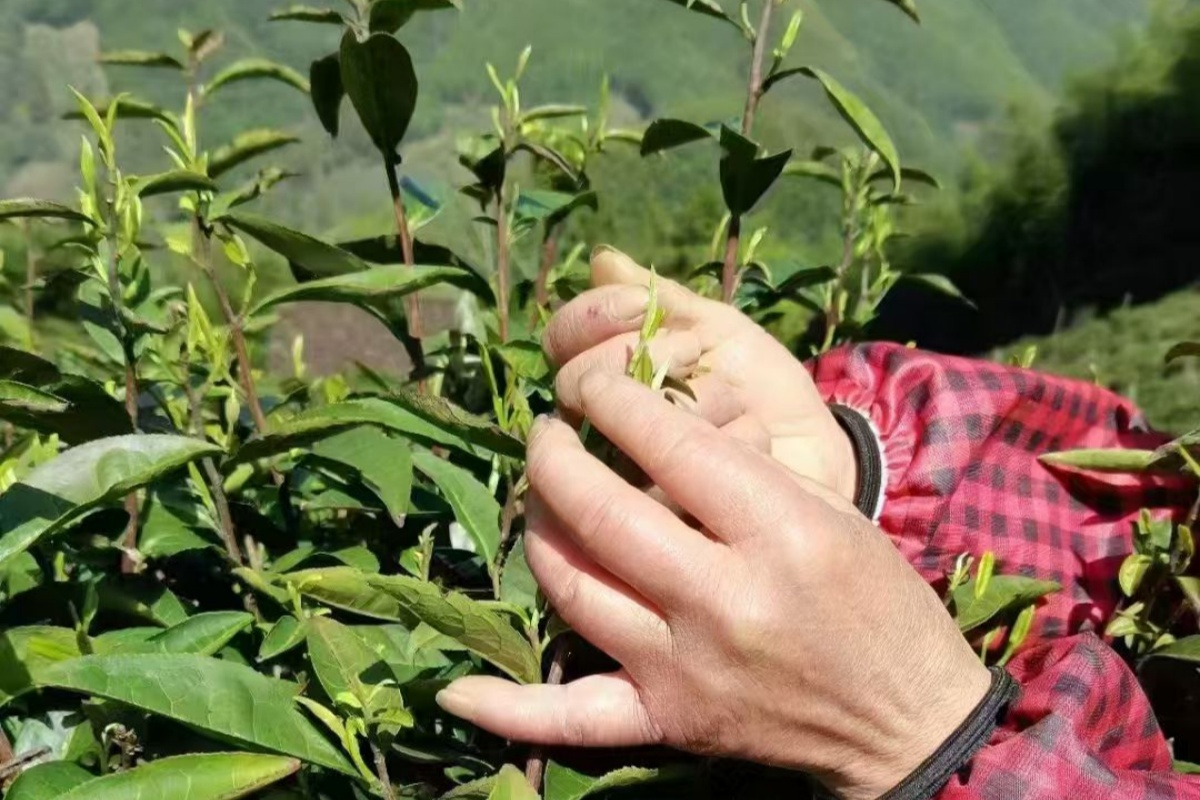
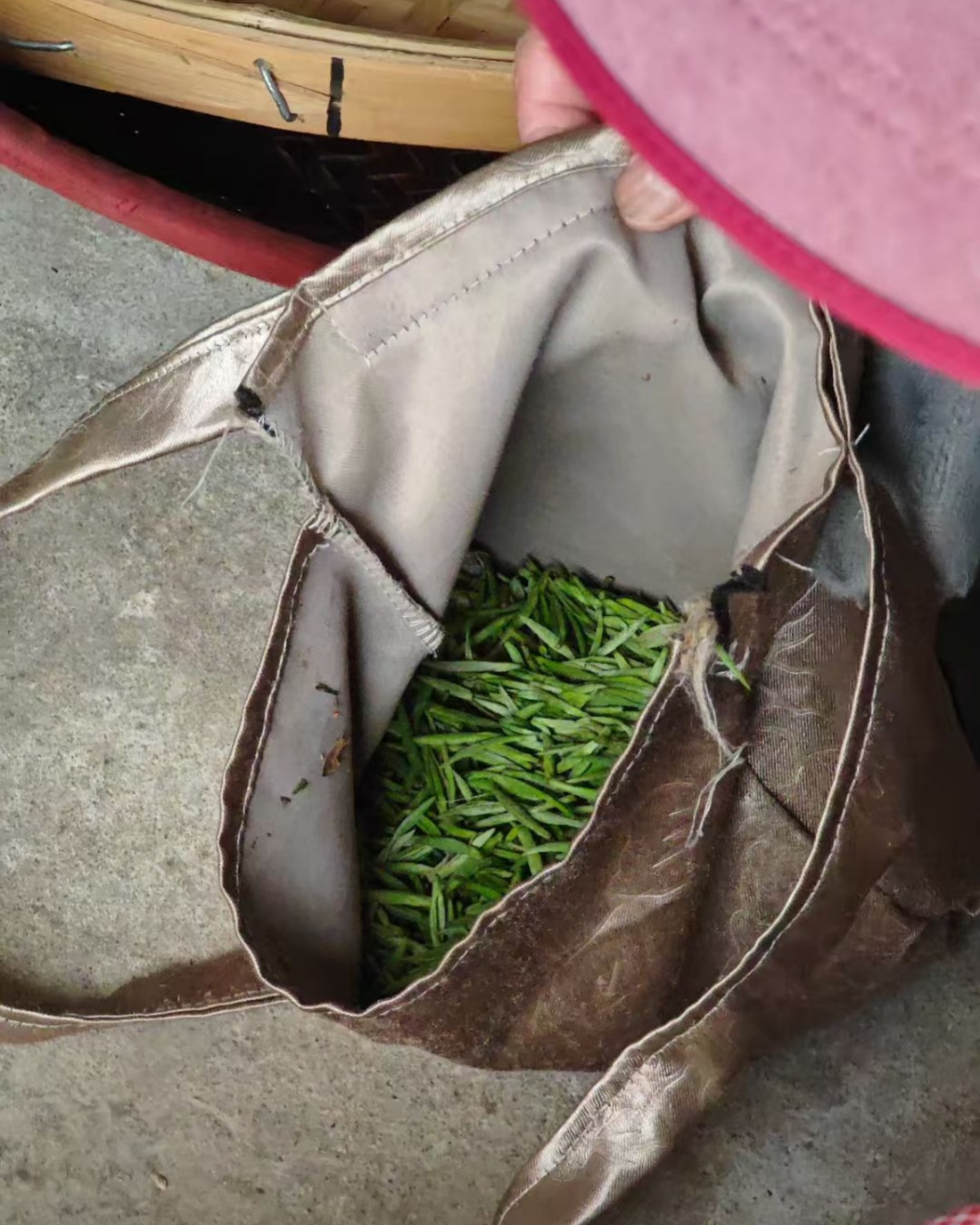
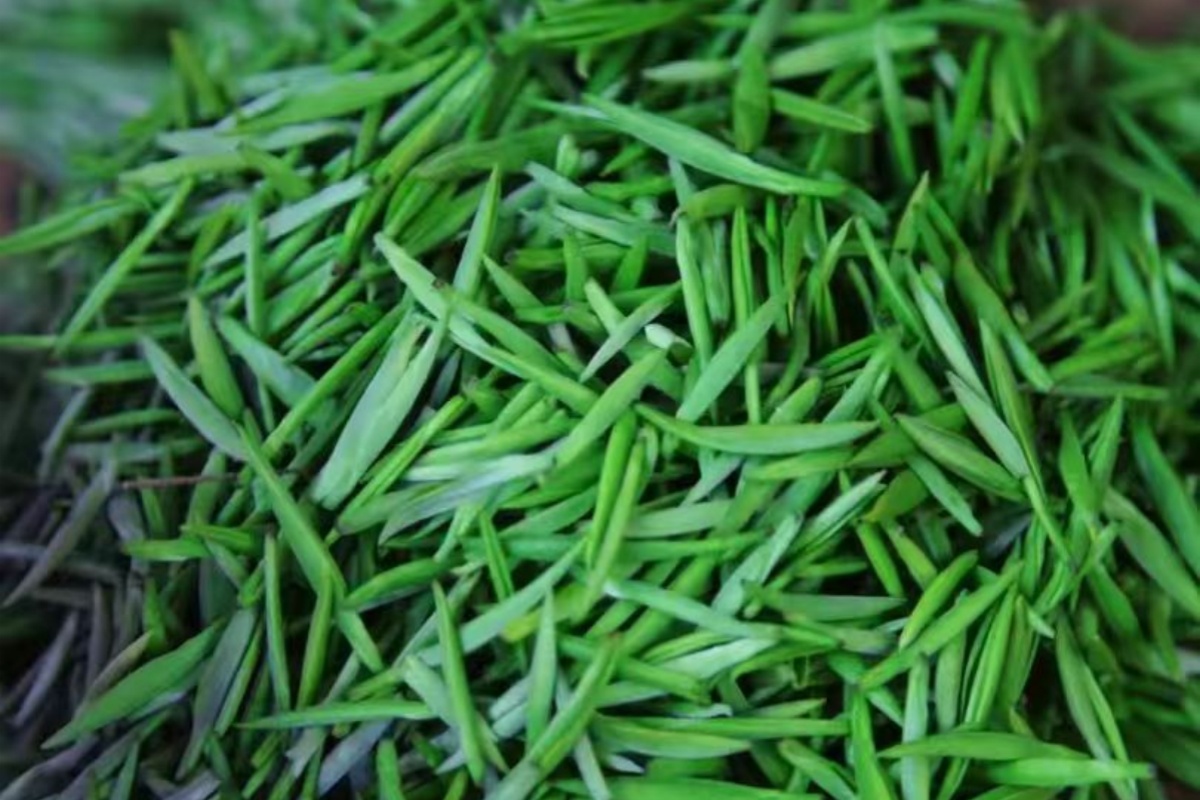
Plucking occurs only once a year, during spring. Buds are not plucked on rainy days, when dew is still present, if they are insufficiently tender and plump, or if they are damaged, diseased, open, hollow, or wilted. Only fresh, green bud shoots are used. Precise timing of the harvest, emphasizing tender and timely plucking, is crucial to ensuring Jin Jun Mei's excellent and pure quality.
Oxygen-Enriched, Temperature-Controlled, Light Wilting: Wilting is the second step.
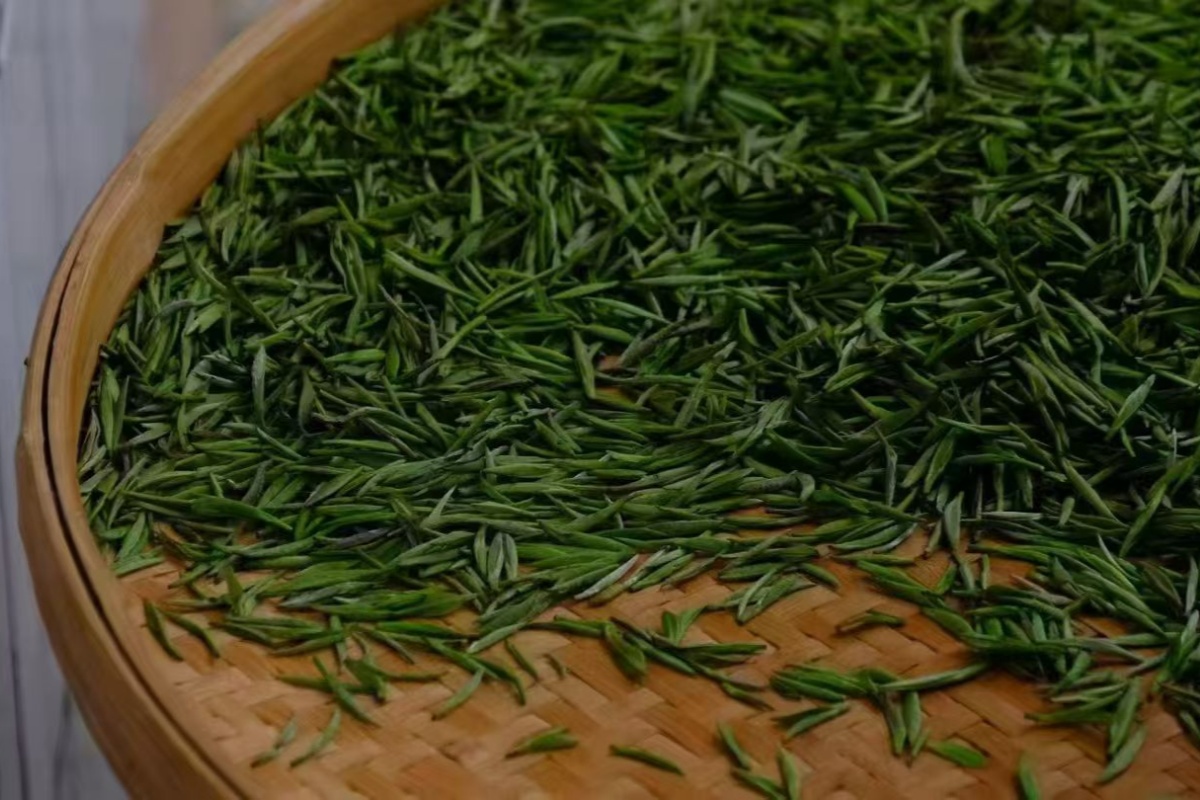
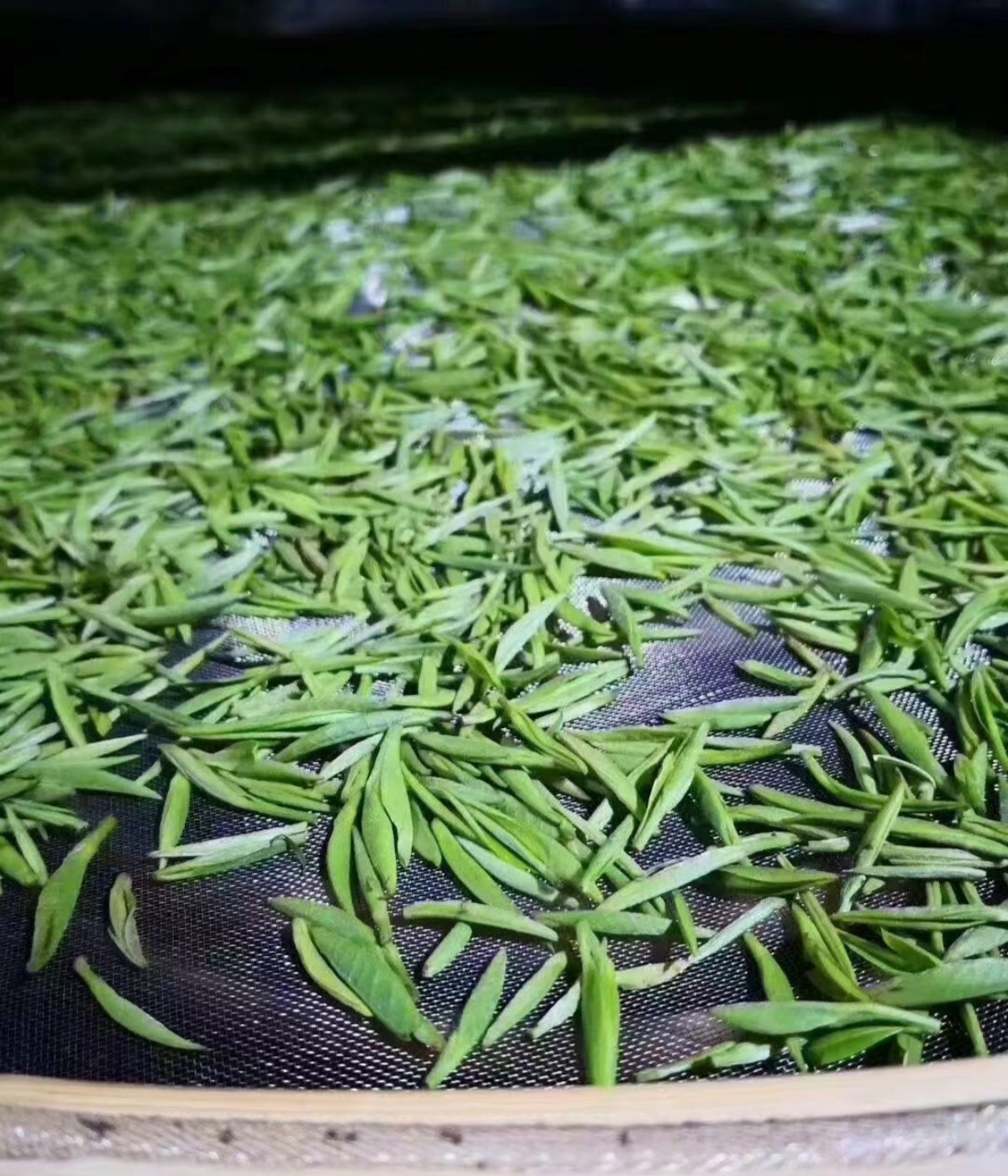
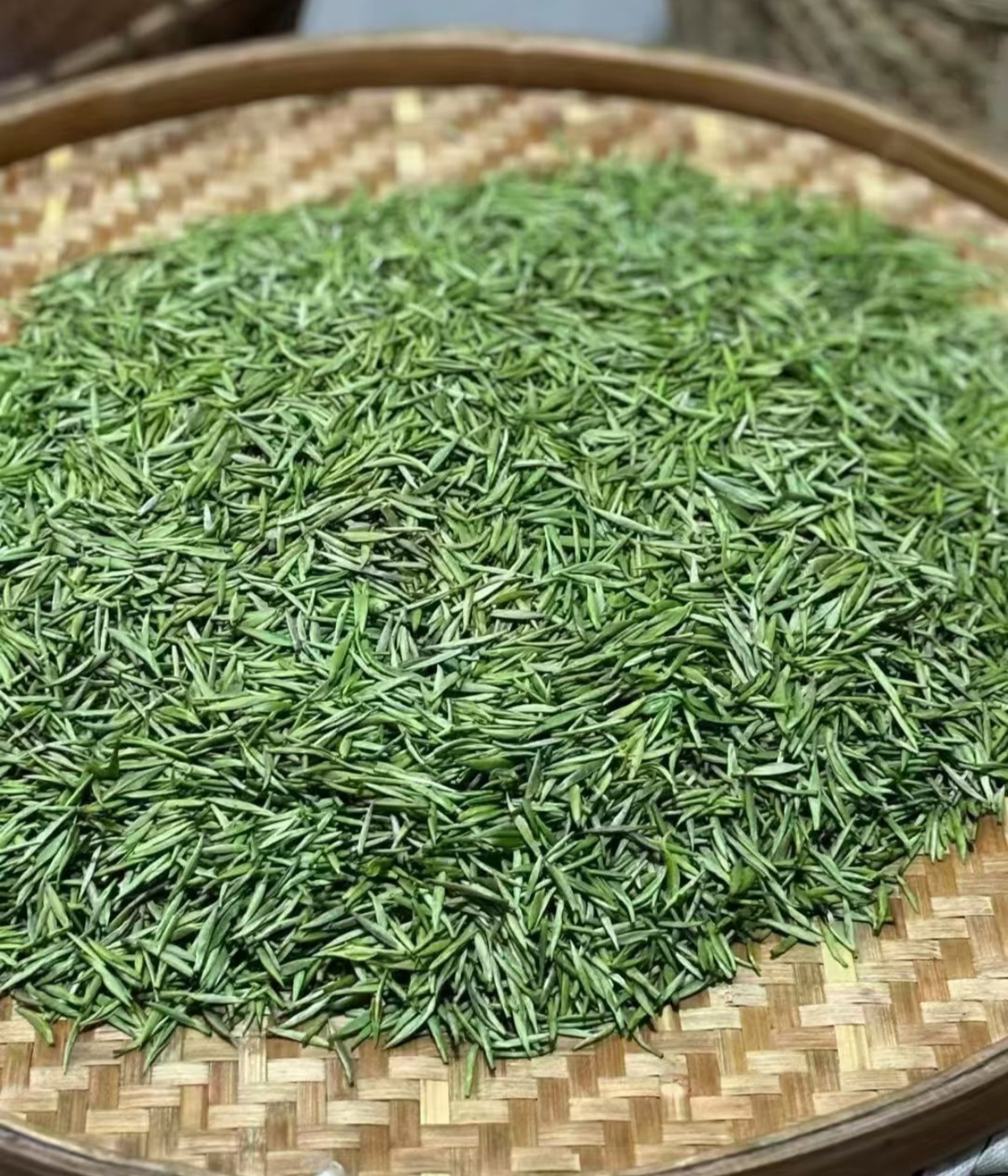
Jin Jun Mei primarily uses indoor, oxygen-enriched, temperature-controlled wilting, supplemented by solar wilting. The method of appropriate, light wilting helps preserve more theaflavins, resulting in superior quality and a golden liquor color.
Step-by-Step Rolling: Jin Jun Mei employs a combination of mechanical and hand-rolling.
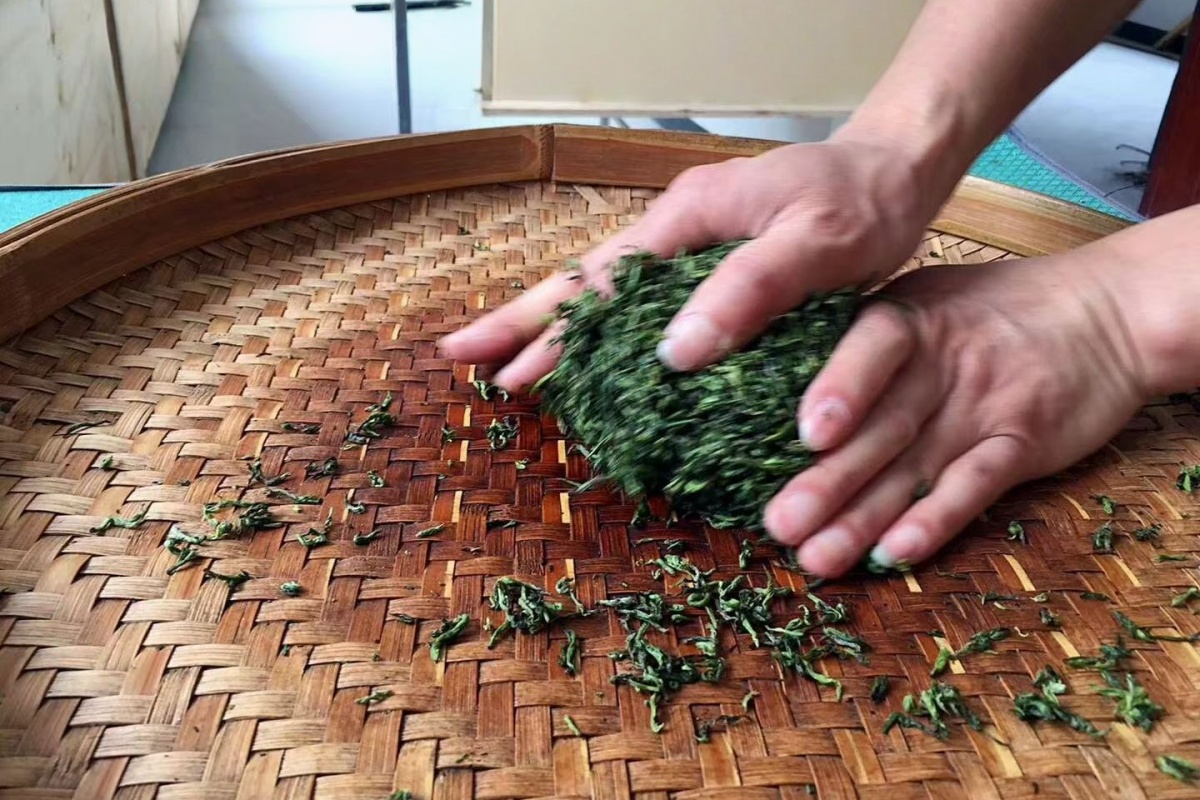
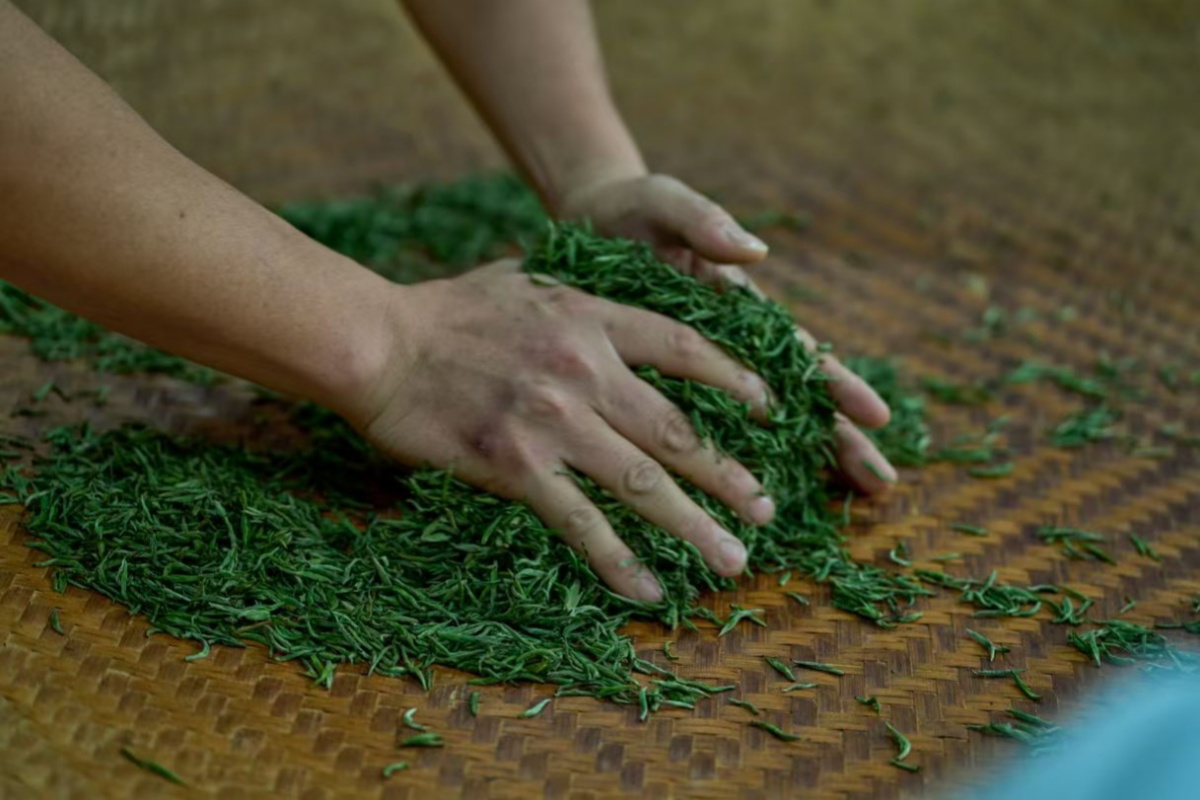
This helps to further tighten the bud-shoot "eyebrows" and form the ideal strip shape.
Suspended, Temperature-Increased, Oxygen-Enriched Fermentation: Fermentation is the crucial process that develops Jin Jun Mei's color, aroma, and taste characteristics.
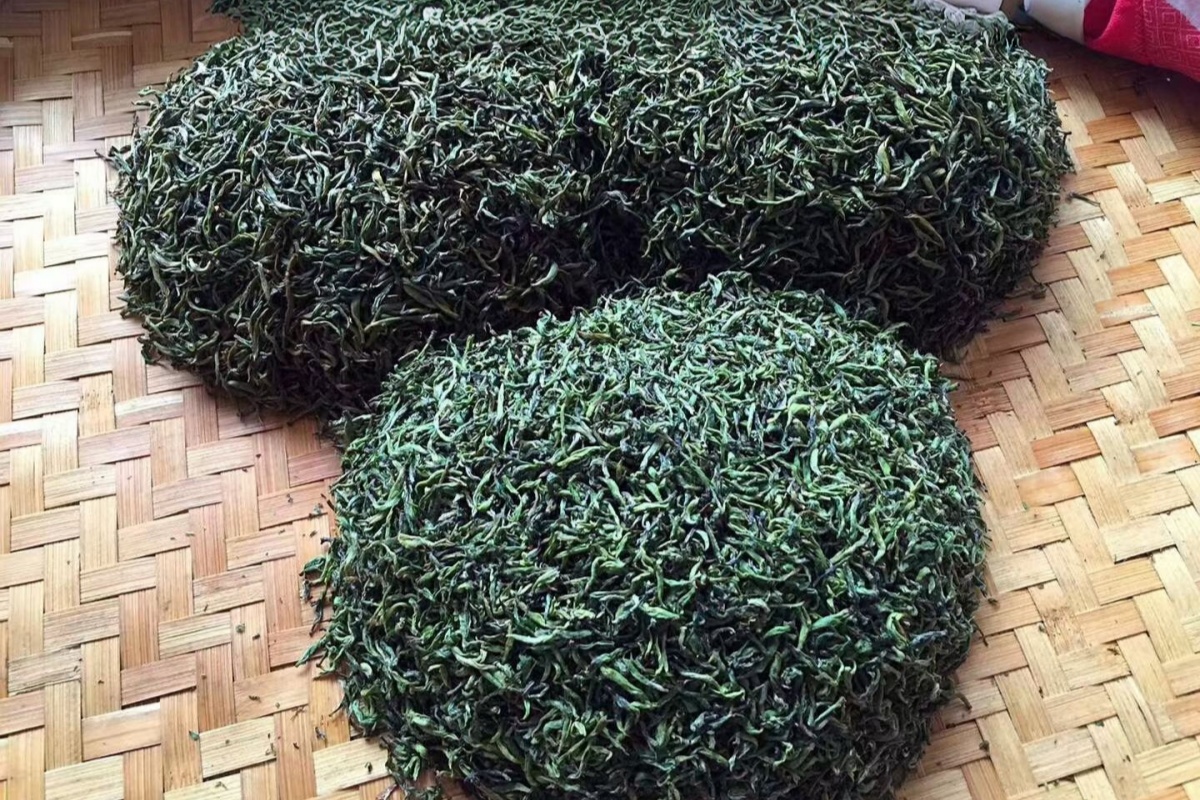
It essentially centers on the enzymatic oxidation of polyphenols. Temperature, humidity, and oxygen availability are the key environmental conditions affecting this polyphenol enzyme oxidation.
Drying: Drying is the final step. Jin Jun Mei is baked using bamboo trays over charcoal fires made from locust wood.
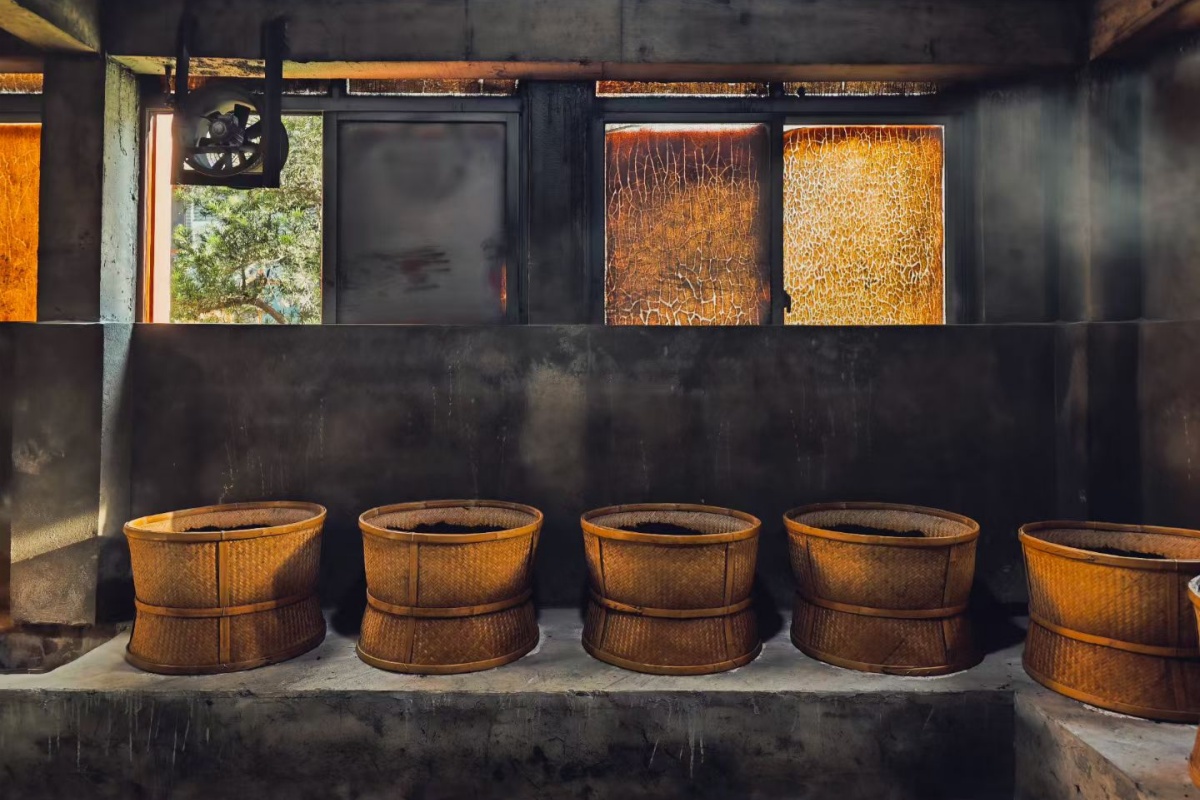
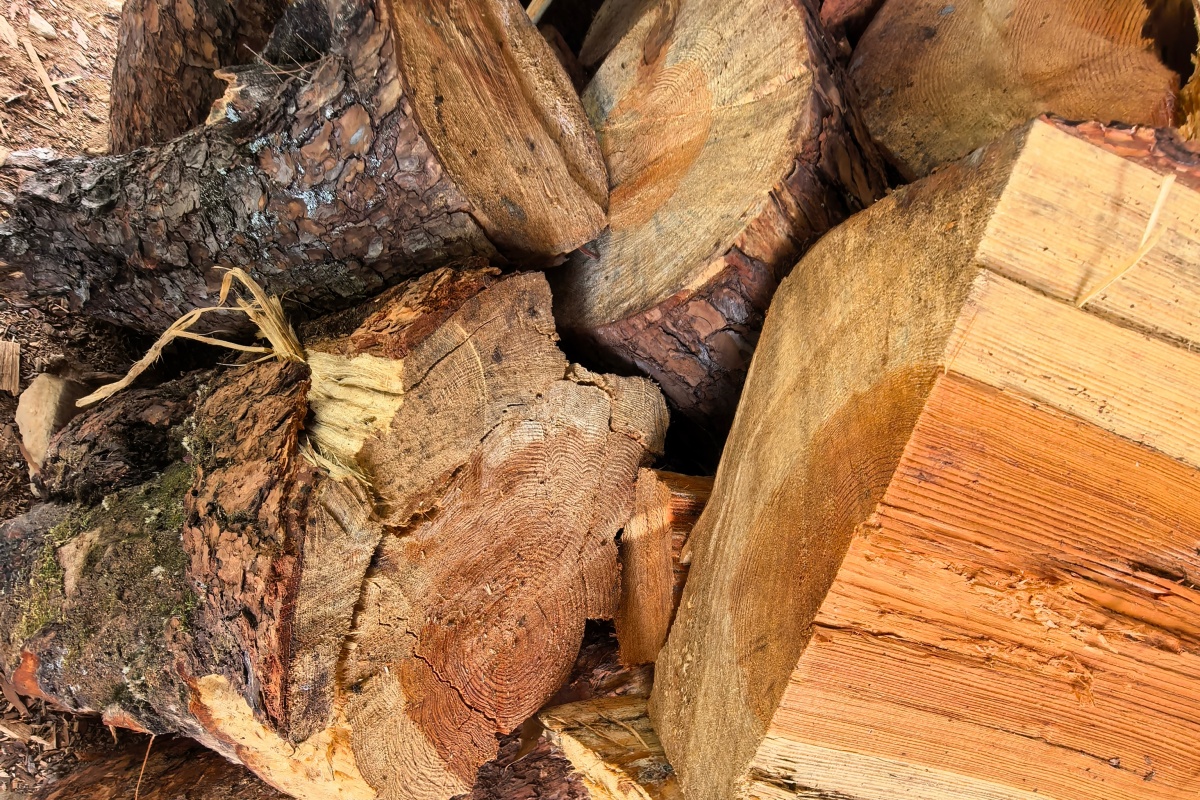
For the final firing (zu huo), a high-temperature, short-duration baking method is used, which helps form its unique aroma. Because the baking is thorough, the aroma is clean and pure, the quality is high, the moisture content is low, and the tea can be stored for a relatively long time without deteriorating.