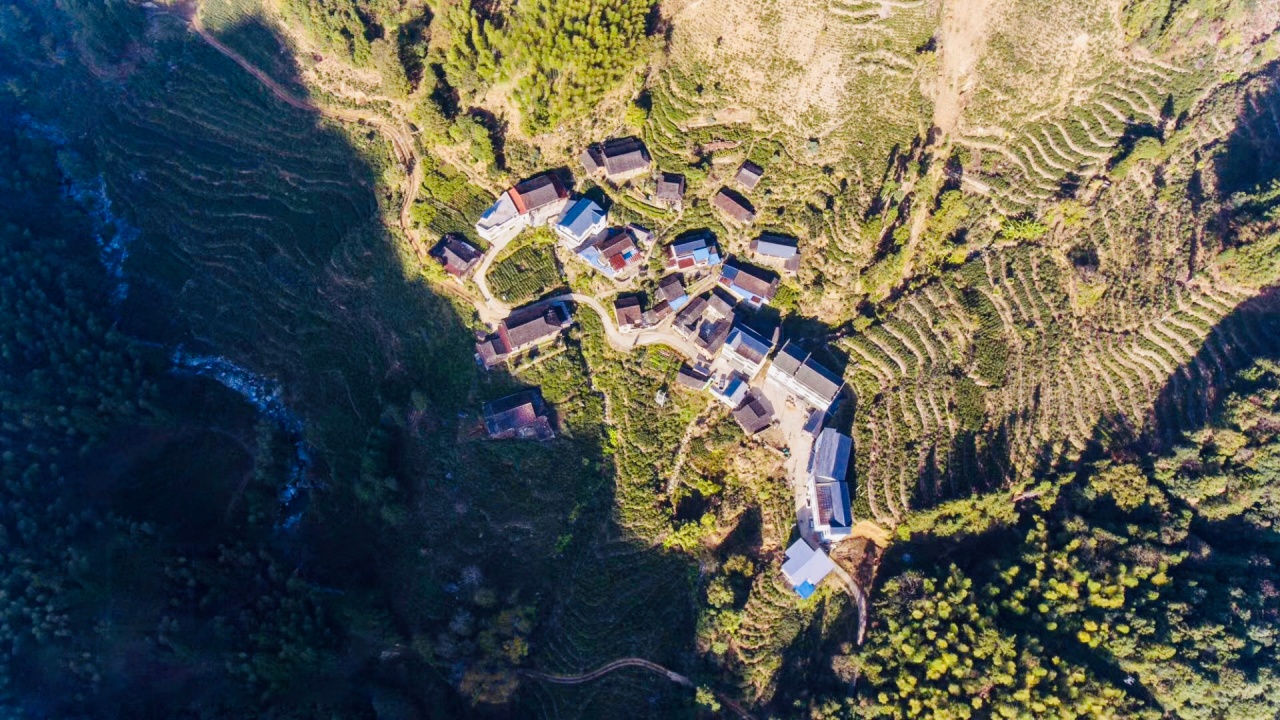
As many know, Tongmu Guan—located within Wuyishan National Park in Nanping, Fujian—is widely recognized as the birthplace of Lapsang Souchong, the ancestor of all black teas in the world.
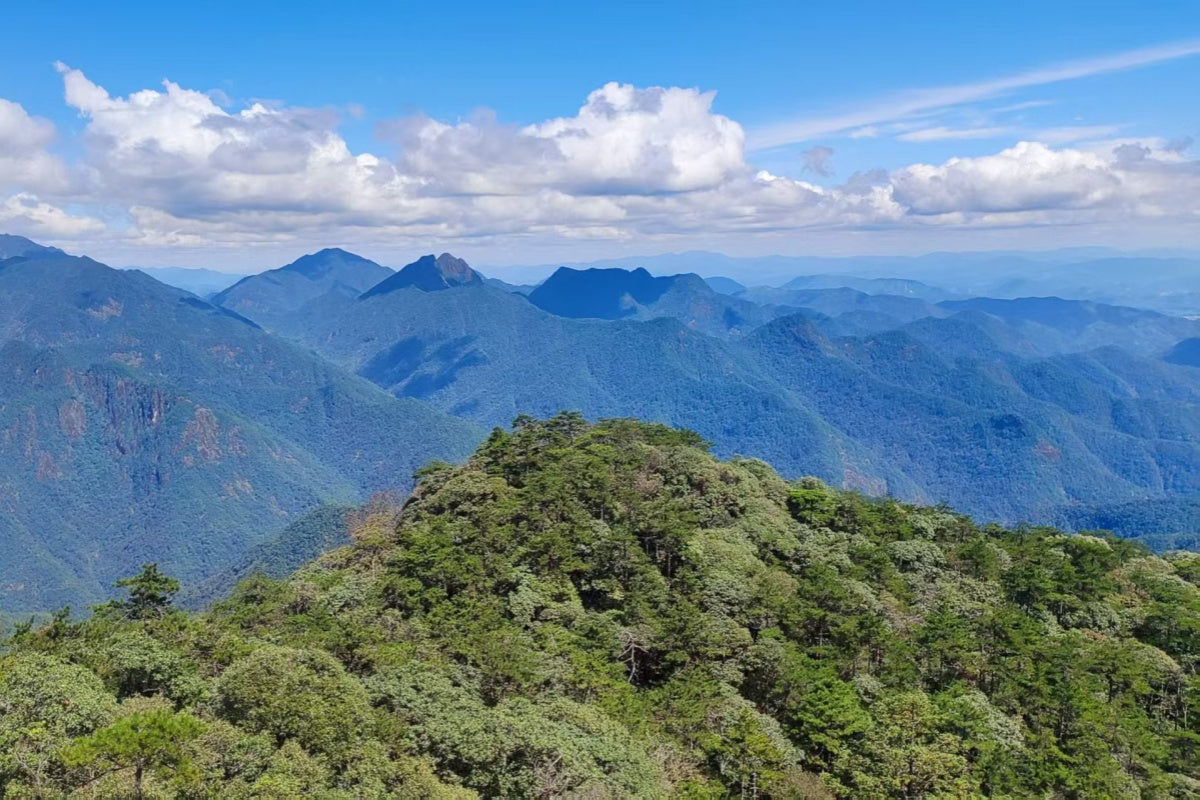
Tongmu Guan lies at the core of the Wuyishan National Nature Reserve, a region celebrated for its exceptional ecology: forest coverage exceeds 96%, preserving rich biodiversity; average elevation surpasses 1,000 meters, with frequent cloud and mist, significant day-night temperature variation, and limited sunlight; the soil, weathered from volcanic conglomerate and breccia, is abundant in minerals.
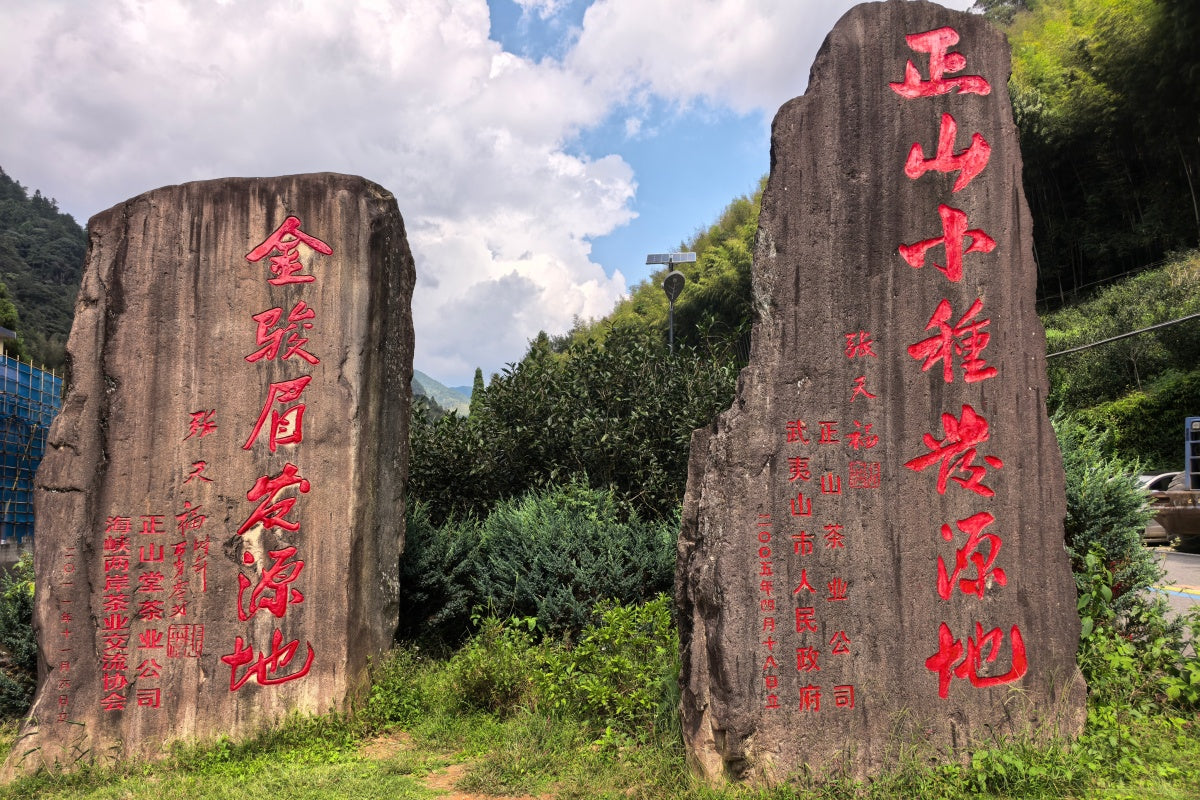
“Black tea only from Tongmu Guan can be called Lapsang Souchong(Zhengshan Xiaozhong).” True Lapsang Souchong must come from specific high-altitude areas within Tongmu Guan and be processed using traditional techniques.
Within the broader Tongmu Guan tea region, there exist several micro-terroirs regarded as the essence of essence. Among them, Guwang Keng is hailed as “the jewel in the crown of Lapsang Souchong”—a small, secluded valley representing the most original, pure, and exquisite expression of this celebrated tea.
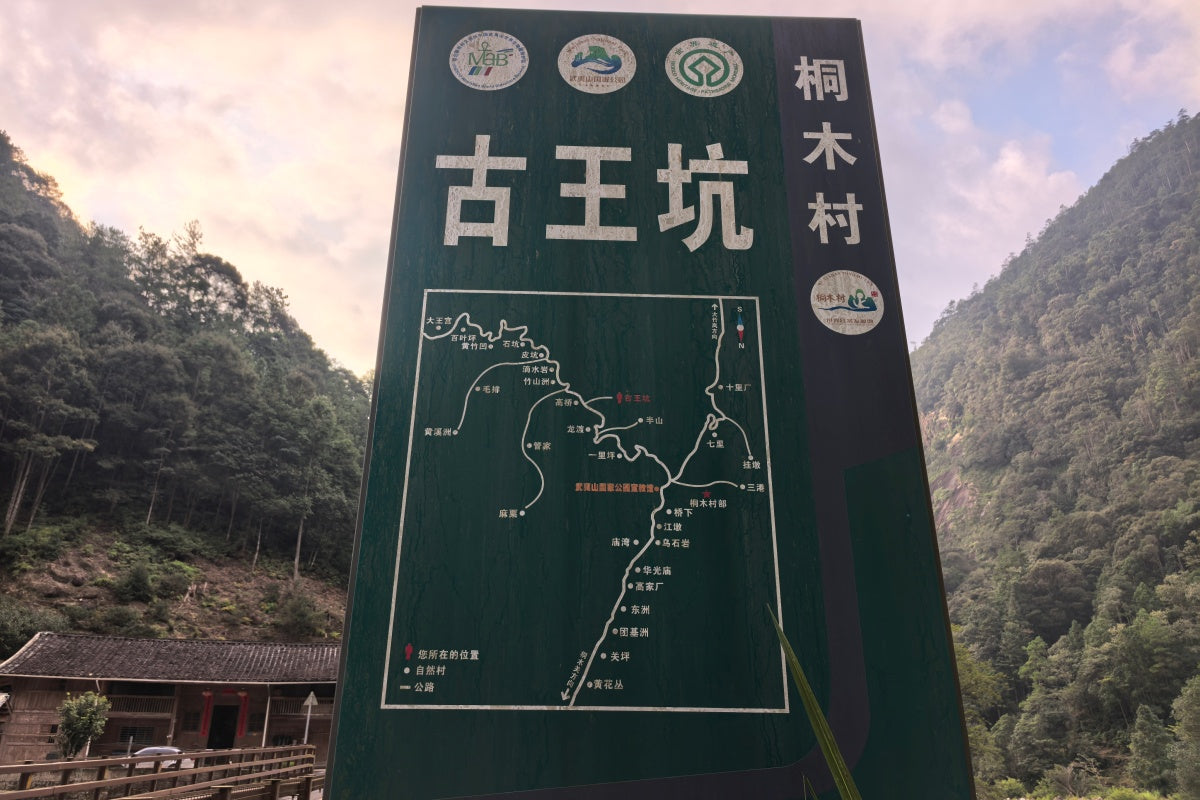
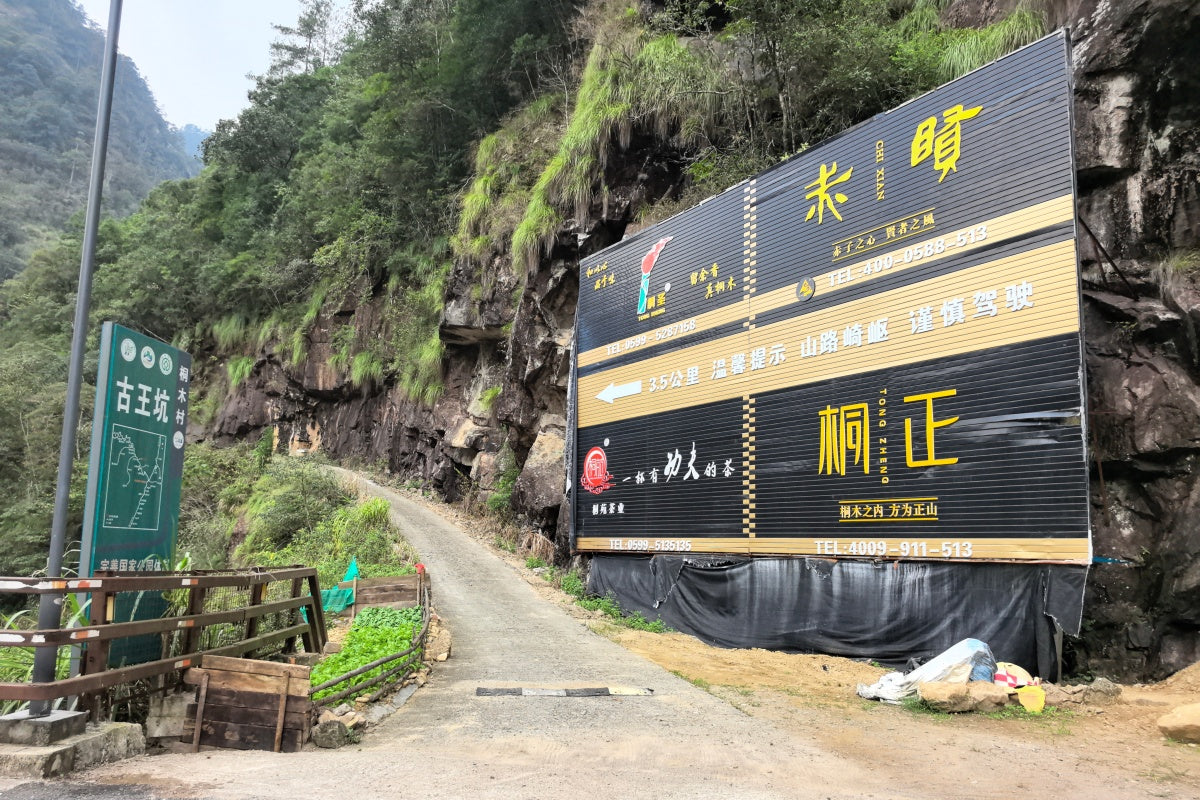
Nestled deep inside Tongmu Guan, Guwang Keng is a classic “keng-jian” (ravine-and-stream) terrain—a narrow valley flanked by steep mountains, with a creek running through, forming a distinctive microclimate.

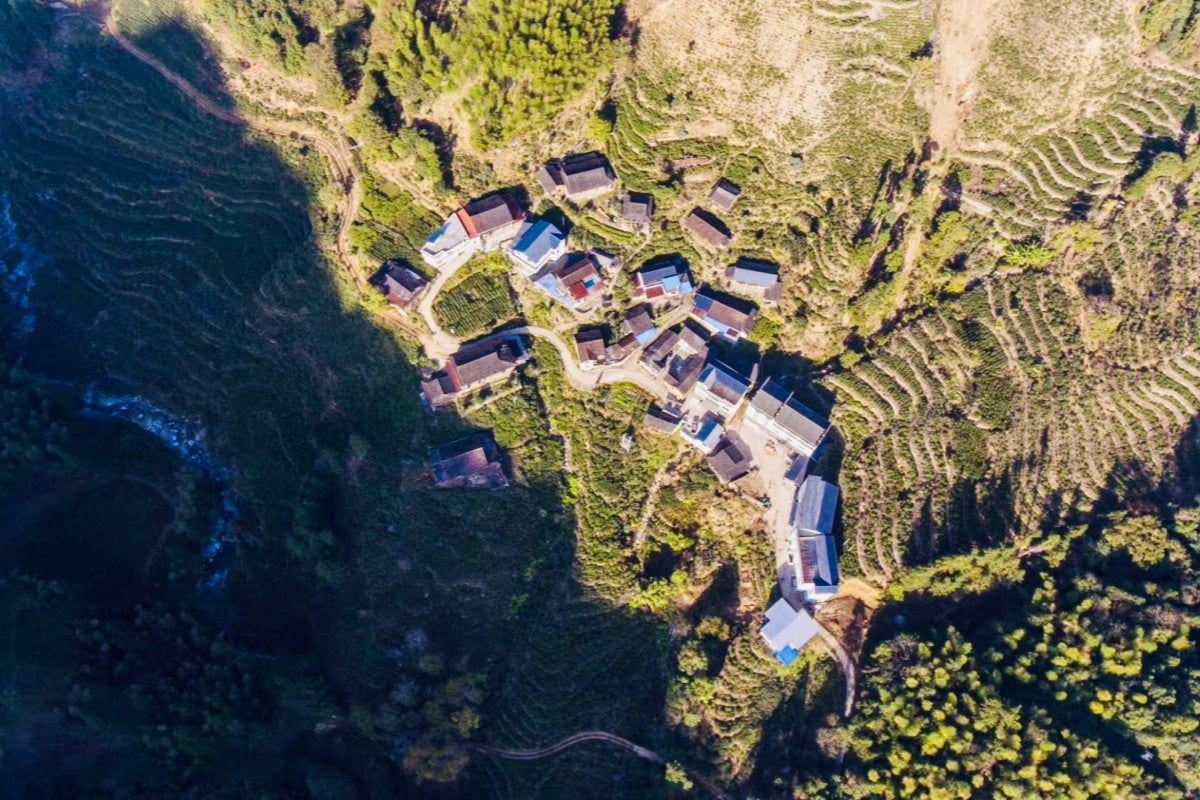
On September 30 to October 1, I ventured into this secluded corner of Tongmu Guan—home to only 78 residents and renowned for its pristine natural preservation. Reaching Guwang Keng, however, is no easy feat. From the fork at the mountain base, a narrow cliffside path stretches 3.5 kilometers, climbing over 500 meters in elevation—a winding, challenging route truly worthy of the name “devil’s mountain road.”