
Introduction
A morning coffee to kickstart the day, an energy drink to push through the afternoon slump, or a relaxing pot of black or green tea on the weekend—caffeine has become a daily companion for many.
But have you ever wondered how much of the caffeine in these drinks actually gets absorbed by your body?
A recent study published in Food Chemistry by researchers from Complutense University of Madrid set out to answer this question. Through experiments on coffee, various teas, soft drinks, and energy drinks, the study reveals the truth behind caffeine absorption.
Key Findings
1. The Journey of Caffeine: From Drink to Bloodstream
To understand caffeine absorption, it’s important to grasp two key concepts:
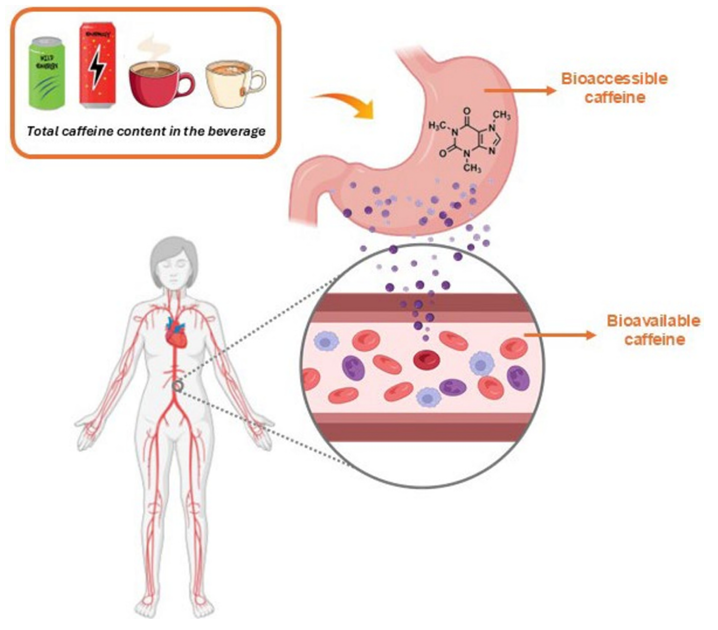
Bioaccessibility: This refers to how much caffeine is released from the beverage into your gastrointestinal tract—only then can it be absorbed.
Bioavailability: This measures how much of the released caffeine passes through the intestinal wall and enters the bloodstream, where it becomes available for organs like the brain and heart.
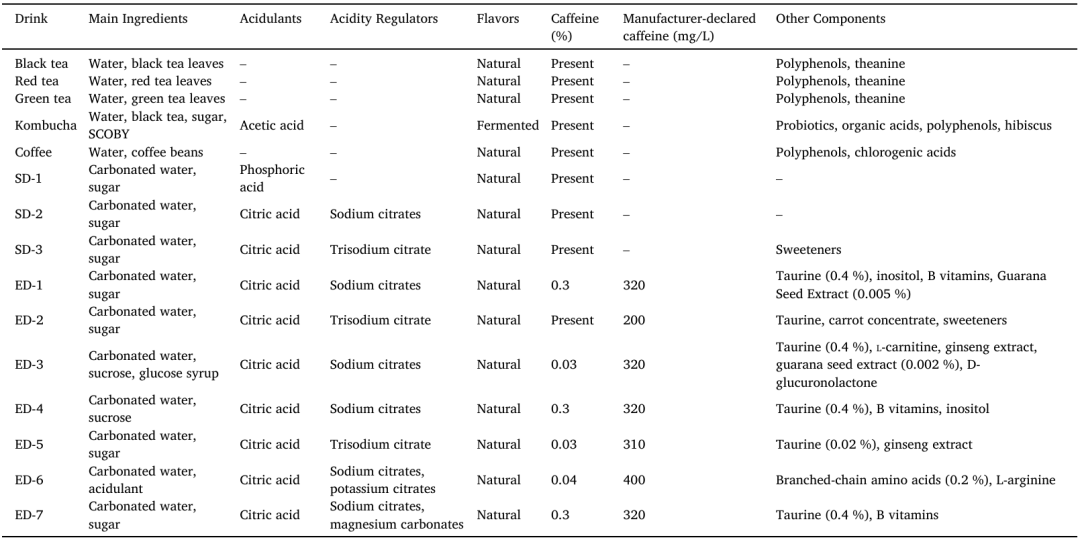
The research team tested 15 popular beverages, including five brewed drinks (coffee, black tea, green tea, rooibos tea, and kombucha), three soft drinks, and seven brands of energy drinks.
By simulating digestion—from saliva to stomach acid to intestinal absorption—they measured the proportion of caffeine the human body can absorb from each drink.
2. Caffeine Absorption: Coffee & Tea
Let’s start with coffee.
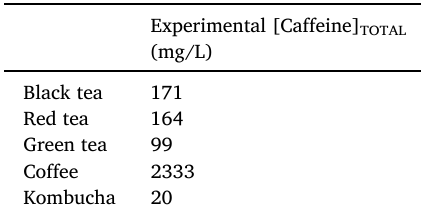
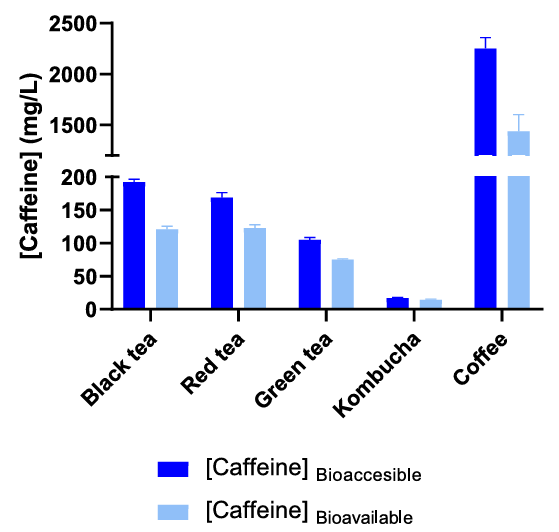
Coffee contains the highest total caffeine content among all beverages tested—2,333 mg/L. While that may sound alarming, its bioavailability is relatively moderate at 62%. Given that a typical serving is small (30–60 mL), the actual caffeine absorbed per cup ranges between 43–86 mg.
Now, let’s look at tea.
In this study, total caffeine content was measured as:
Black tea: 171 mg/L
Green tea: 99 mg/L
Roibos tea: 164 mg/L
Their respective bioavailability rates were:
Black tea: 70%
Green tea: 76%
Roibos tea: 75%
Based on a 200 mL cup:
Black tea delivers ~22 mg of absorbed caffeine
Green tea delivers ~15 mg
Roibos tea delivers ~25 mg
These amounts offer a mild energy lift without significantly increasing the risk of jitters or sleep disruption.
If you're sensitive to caffeine but still enjoy flavored drinks, kombucha may be a good option.
It has the lowest total caffeine content among brewed beverages (20 mg/L), along with relatively low bioaccessibility (87%) and bioavailability (73%). In a 200 mL serving, only about 4 mg of caffeine is absorbed—meaning you'd need four cups of kombucha to match the caffeine from one cup of green tea.
3. Caffeine Absorption: Soft Drinks & Energy Drinks
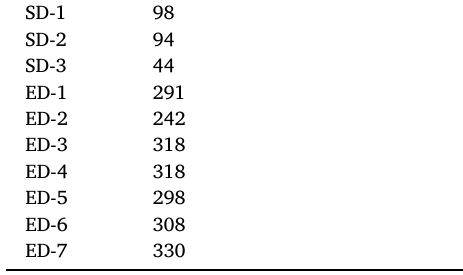
The three soft drinks (e.g., colas) in the study had total caffeine contents ranging from 44–98 mg/L, with bioaccessibility of 83%–103% and bioavailability of 65%–79%.
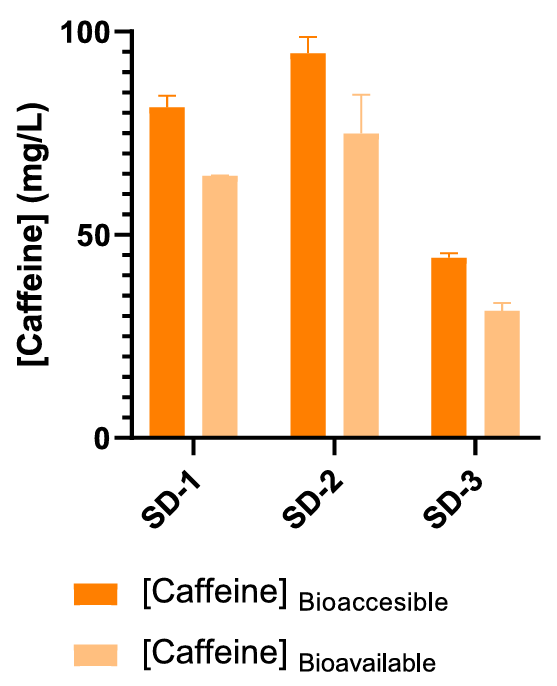
In a standard 330 mL can, the actual caffeine absorbed is approximately 10–23 mg—a safe range for most adults.
On the other hand, energy drinks deserve closer attention.
They contain the second-highest total caffeine content after coffee (242–330 mg/L), and nearly all of it is released during digestion (94%–104% bioaccessibility), with solid bioavailability (52%–76%).
For a typical 500 mL can, the amount of caffeine absorbed can reach up to 115 mg.
While this remains below the European Food Safety Authority’s (EFSA) single-dose safety limit of 200 mg for adults, it poses potential risks for children and adolescents.
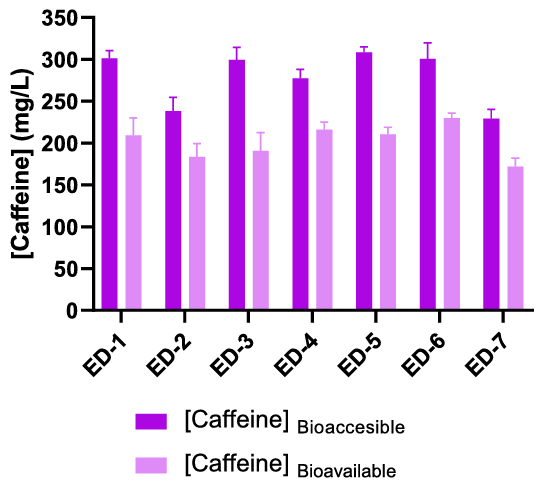
For example, a child weighing approximately 37.5 kg has a recommended daily caffeine intake of no more than 112.5 mg. Just one energy drink could bring them close to that limit.
Conclusion
Researchers suggest that ingredients like taurine in energy drinks and sweeteners in soft drinks may enhance both the release and absorption of caffeine.
It’s also worth noting that regular intake of as little as 100 mg of caffeine per day may lead to dependence and increased tolerance—regardless of the source.