I. The Birth of Lapsang Souchong
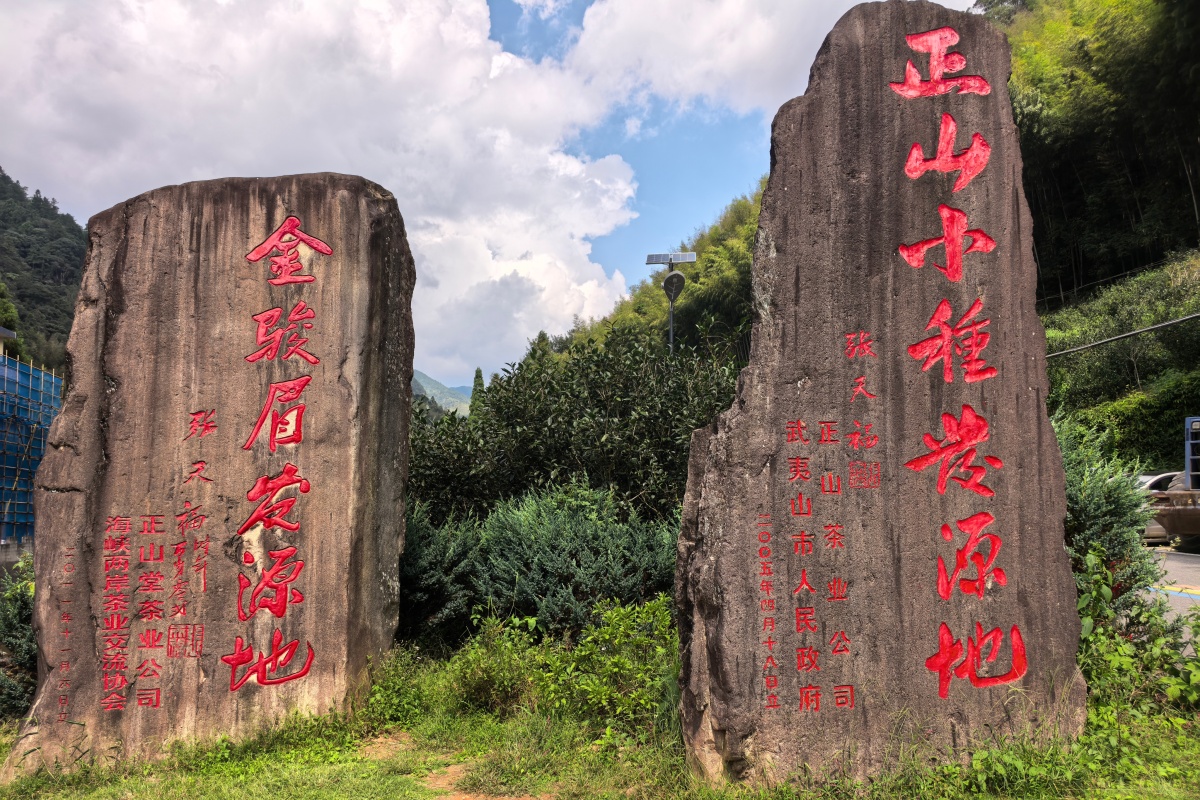
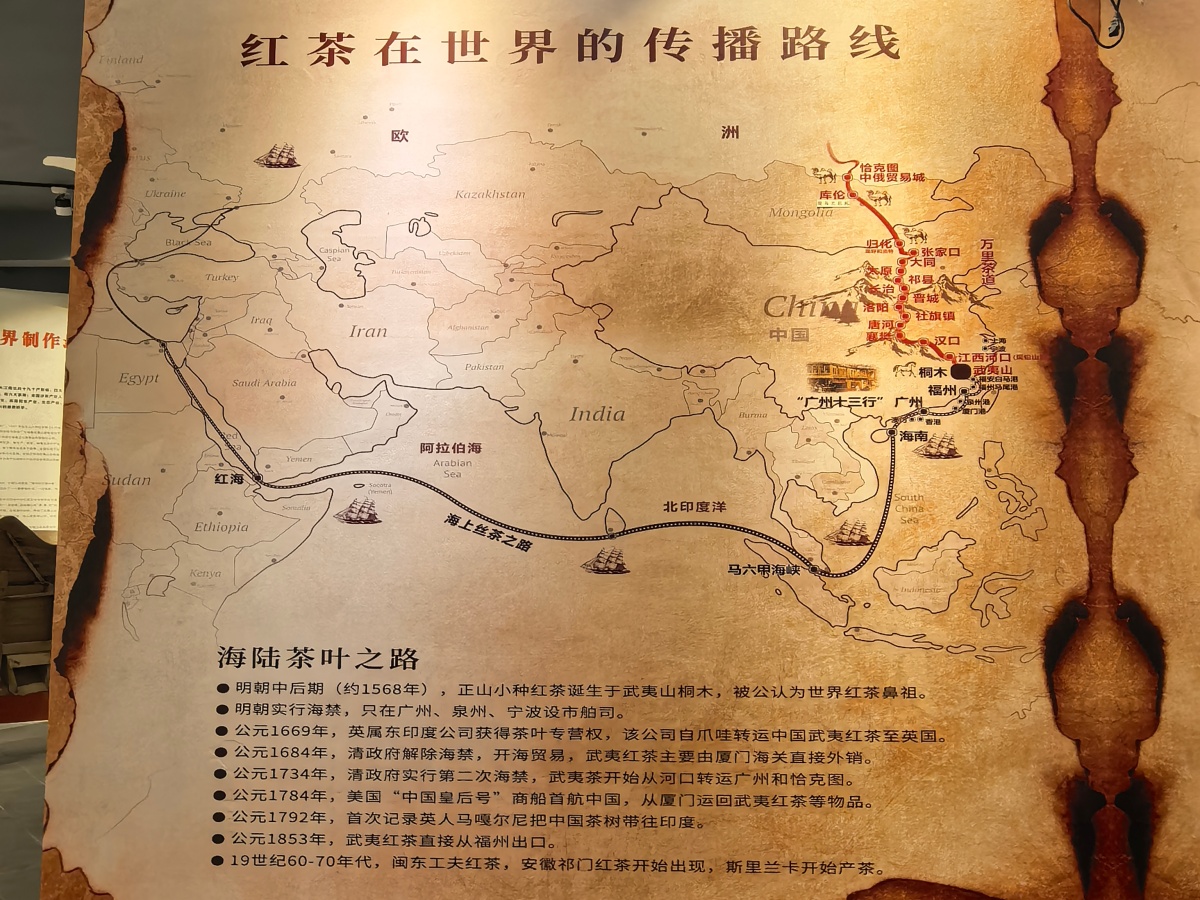
Born in 1568 in Tongmu Village, Wuyishan, China, Lapsang Souchong is the ancestor of all black teas worldwide, including Keemun and Darjeeling.
Legend tells of its accidental discovery during the Ming/Qing transition when soldiers, passing through, slept on tea leaves intended for green tea. This caused unintended oxidation. The desperate tea farmers salvaged the leaves by roasting them over local pine wood, imparting a distinctive smoky character.
Surprisingly, the resulting tea found a market, and the world's first black tea was born. By 1604, Dutch traders introduced it to Europe, beginning its global journey.
The name "Lapsang Souchong" ("Original Mountain Small Leaf") was later adopted to distinguish the authentic tea from imitations, with "Lapsang" denoting the true origin within the Wuyi Mountain reserve.

II. The Production Process
Lapsang Souchong's traditional craftsmanship is key to its identity:
Plucking: Mature leaves from small-leaf tea bushes in Tongmu are harvested.
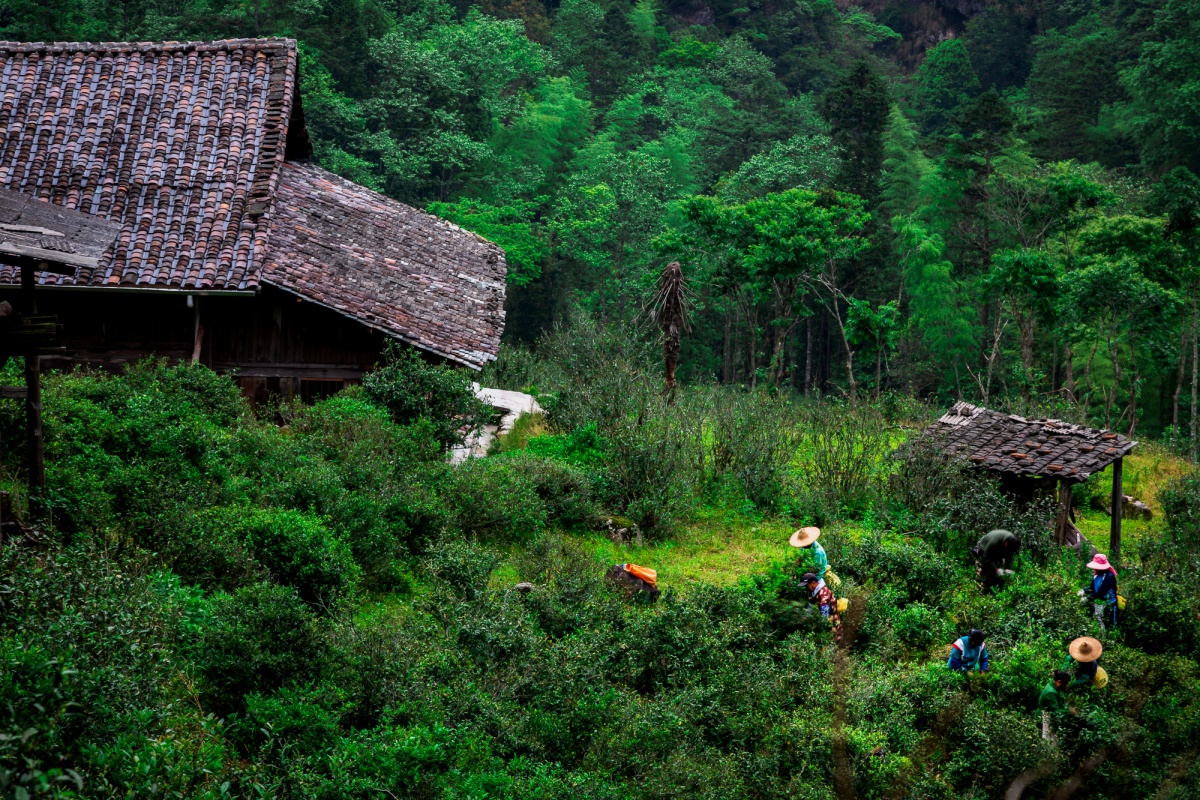
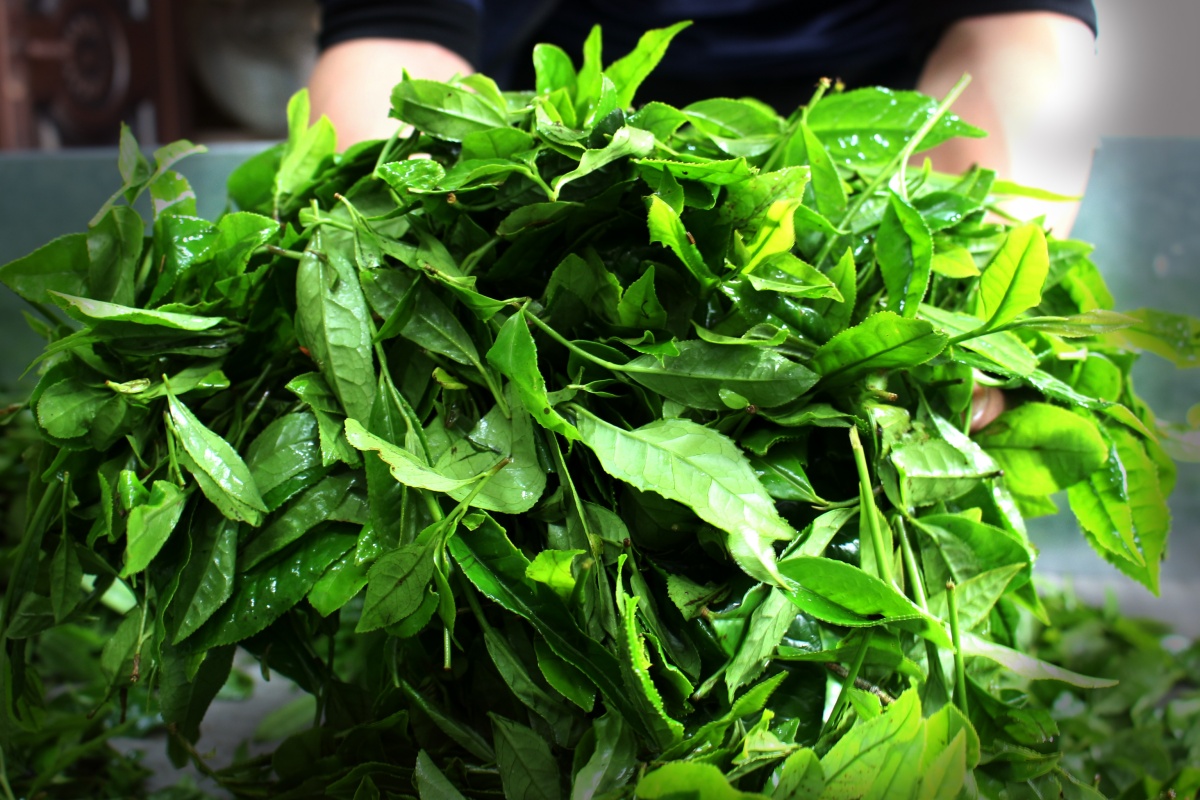
Withering: Indoor, heated withering is used due to the humid local climate.
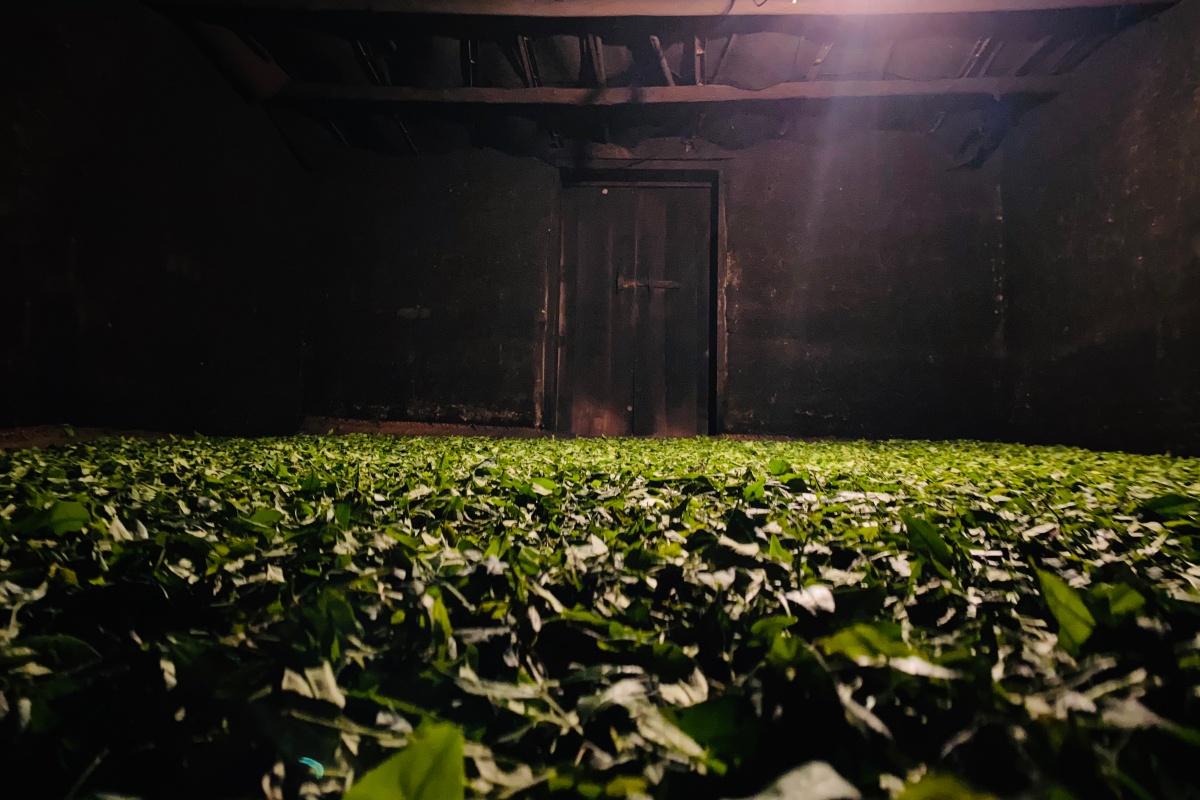
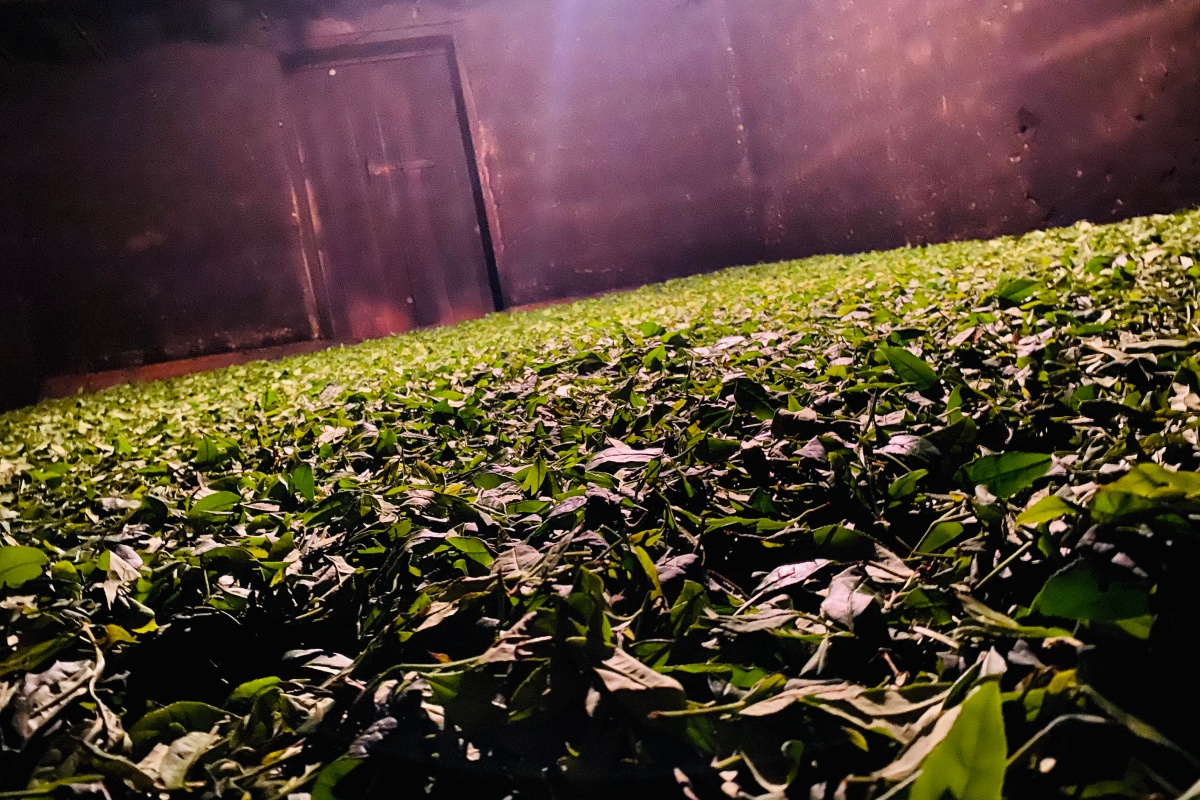
Rolling: This releases the tea juices, essential for oxidation.
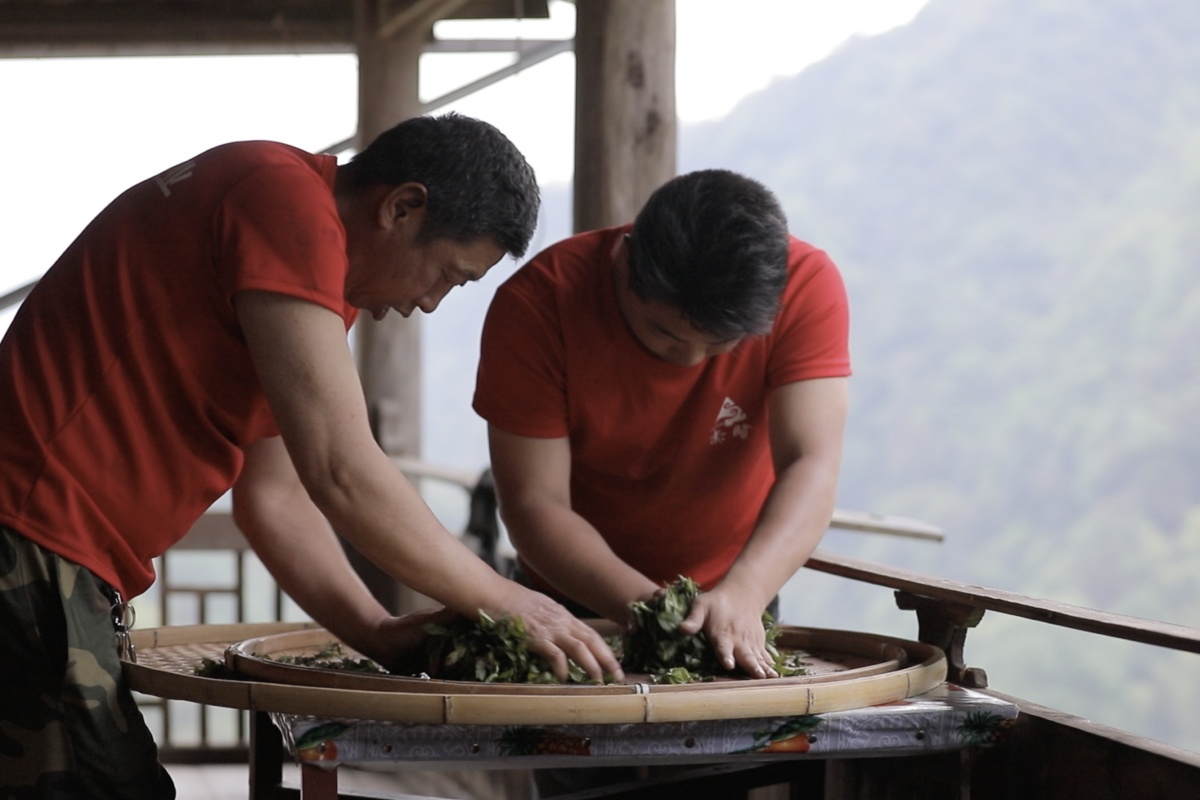

Fermentation: The leaves oxidize in a warm environment, developing their core flavor.
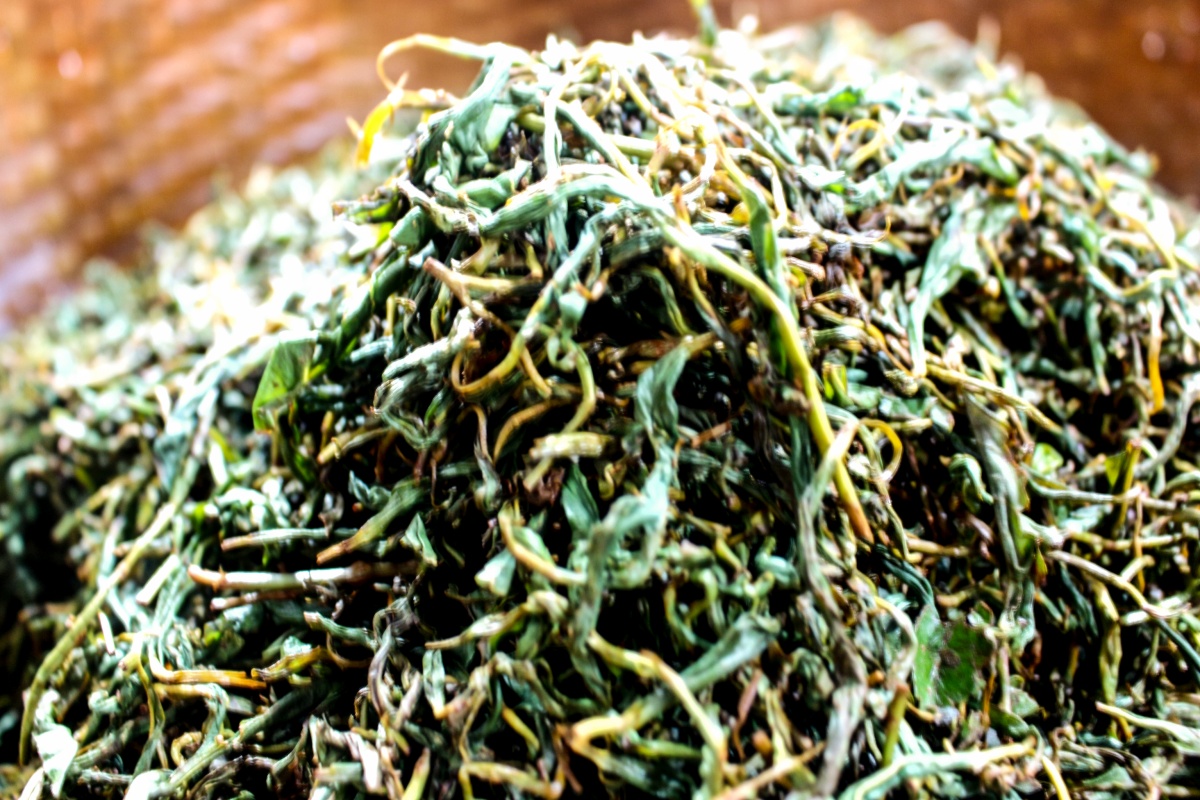
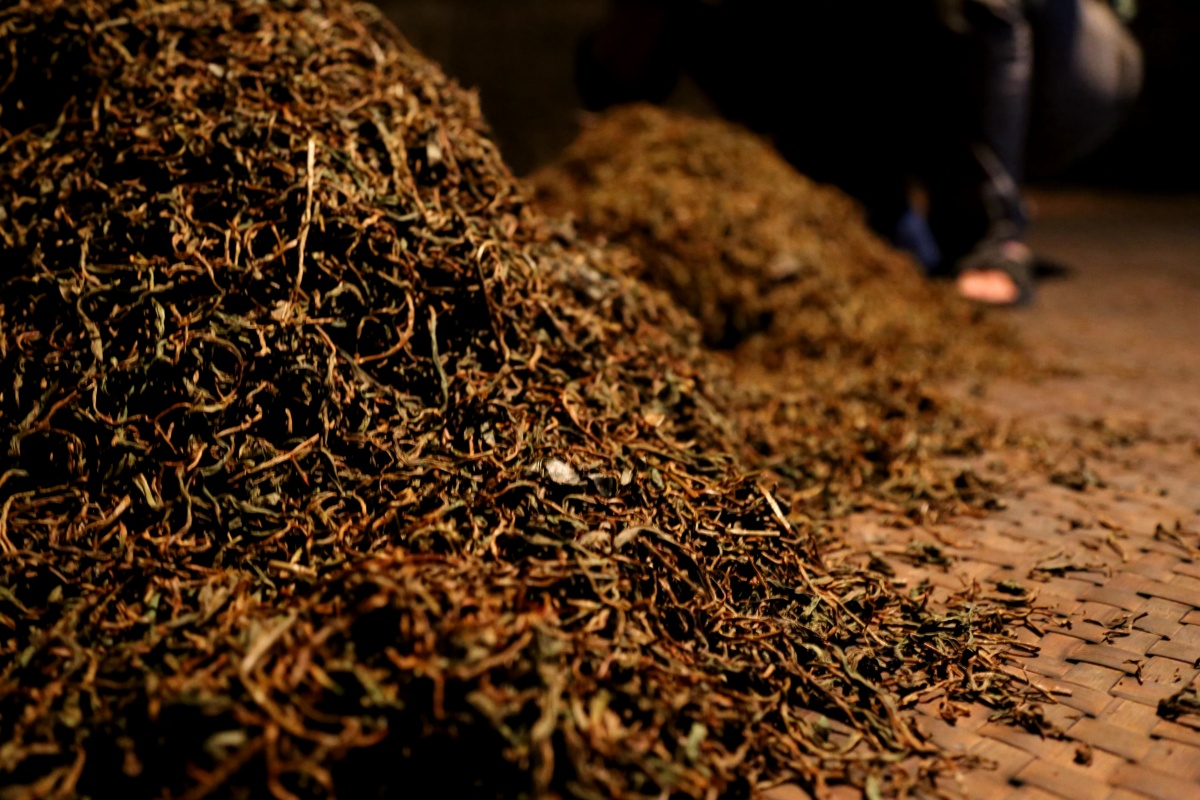
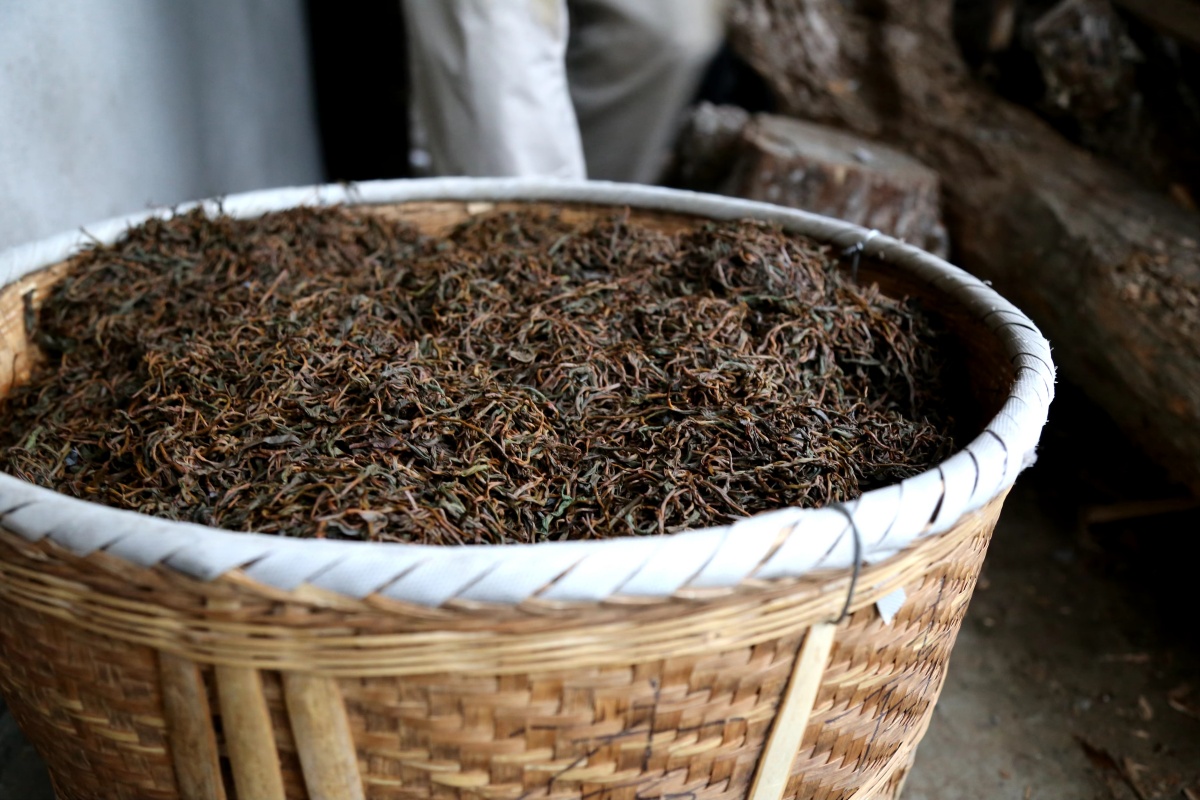
Pan-Firing ("Guo Hong Guo"): A unique step that halts oxidation via high heat in a wok, preserving the tea's character and yielding a bright liquor.
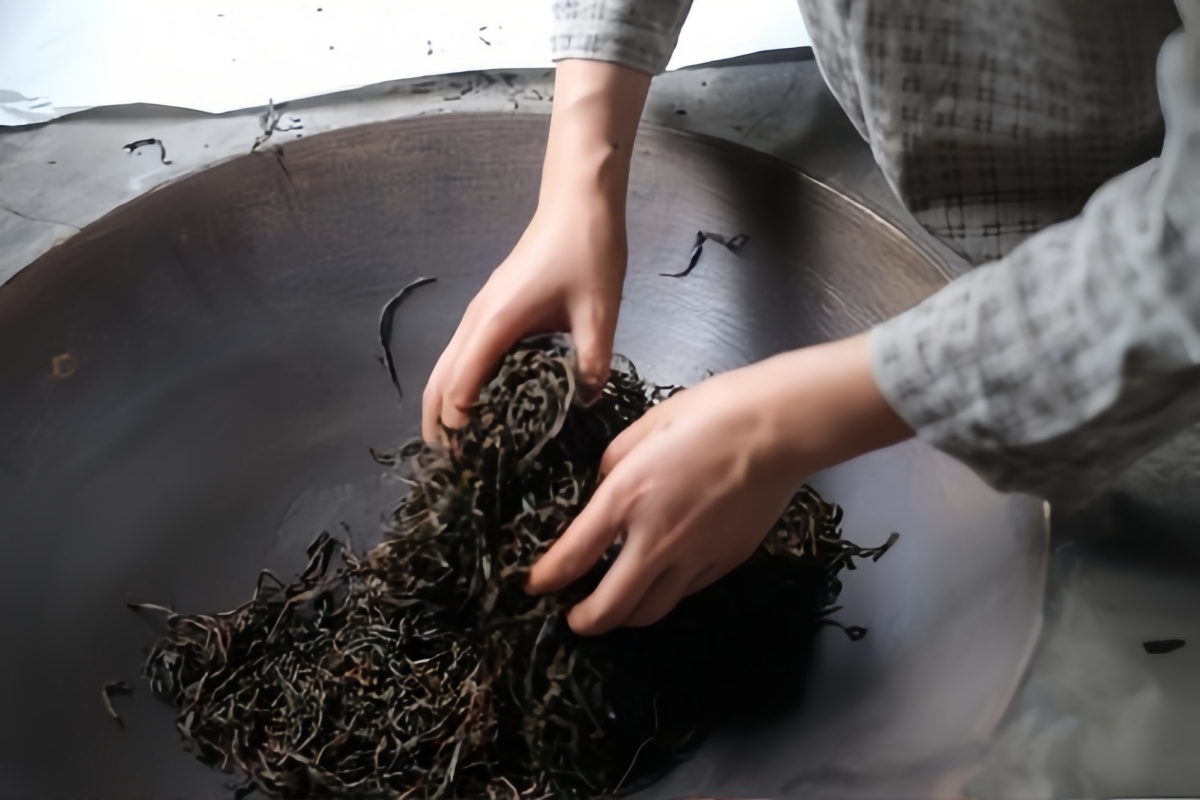
Re-rolling: Tightens the tea strips after pan-firing.
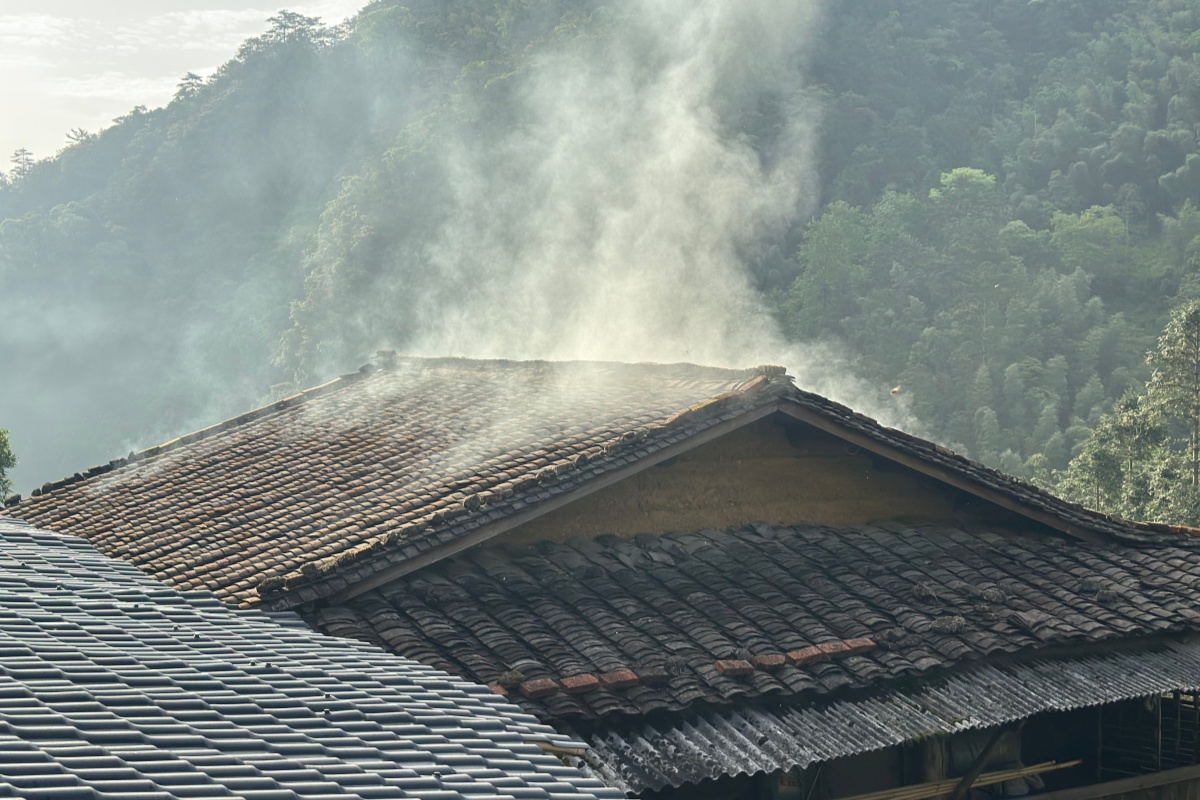
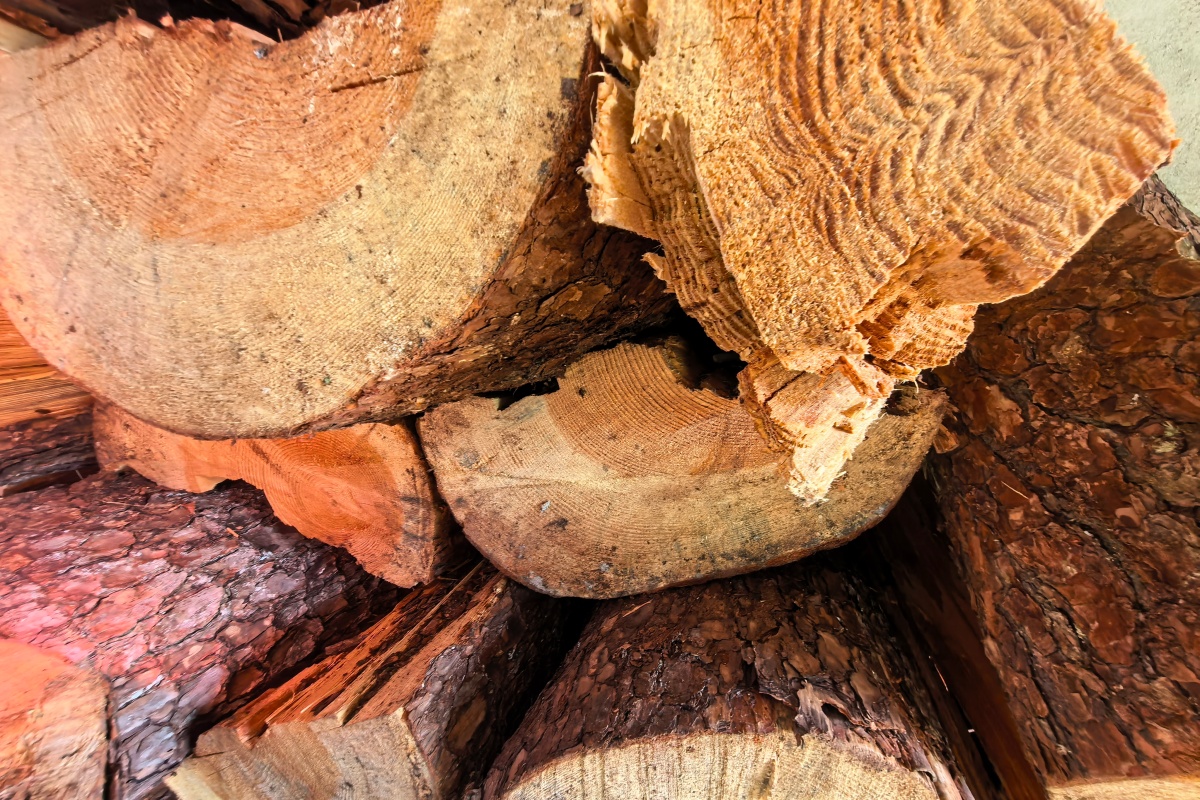
Smoking & Drying: The critical step. Leaves are slowly smoked over pine wood in a "qing lou" (smoking house), absorbing the signature smoky aroma.
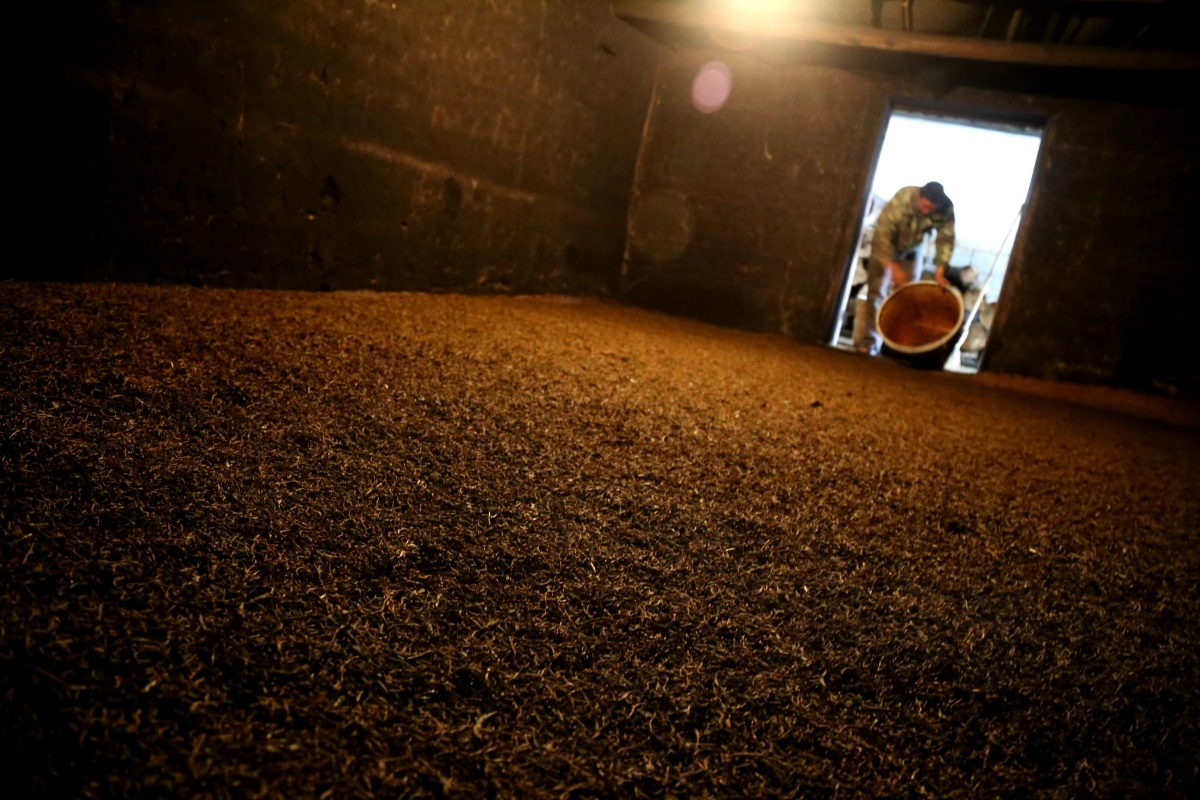
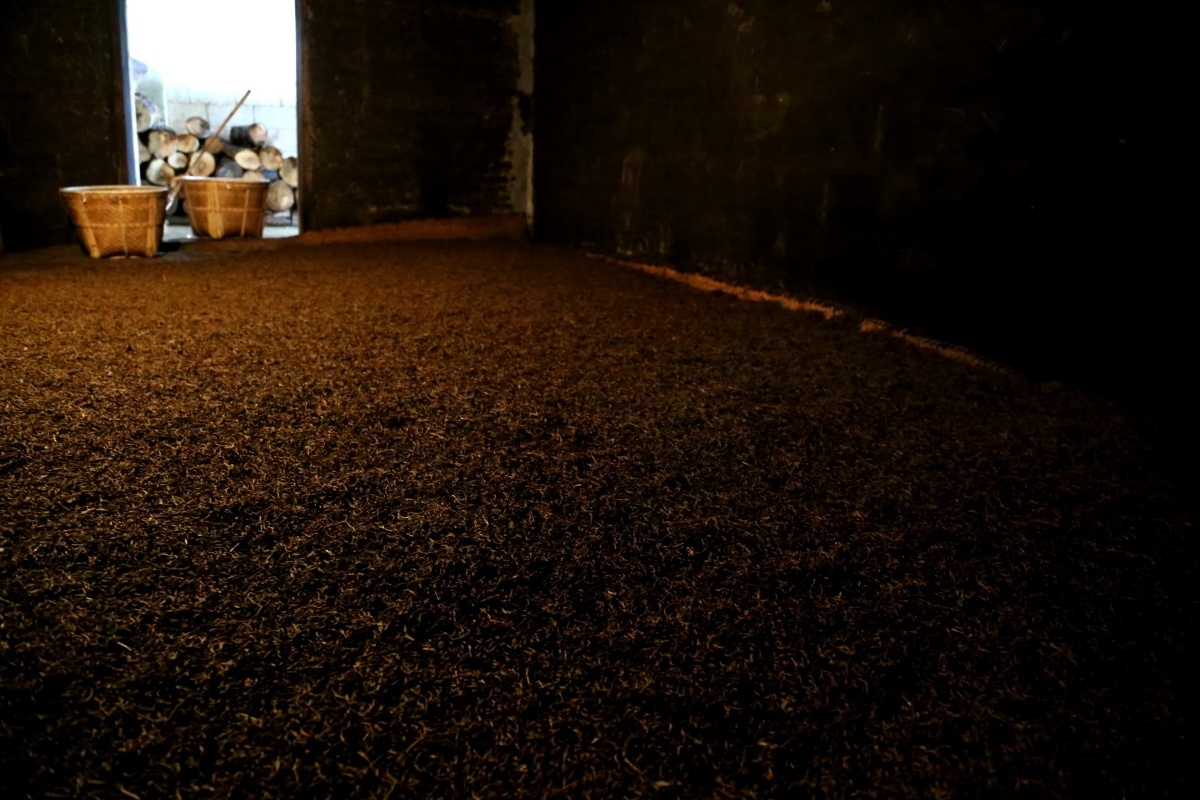
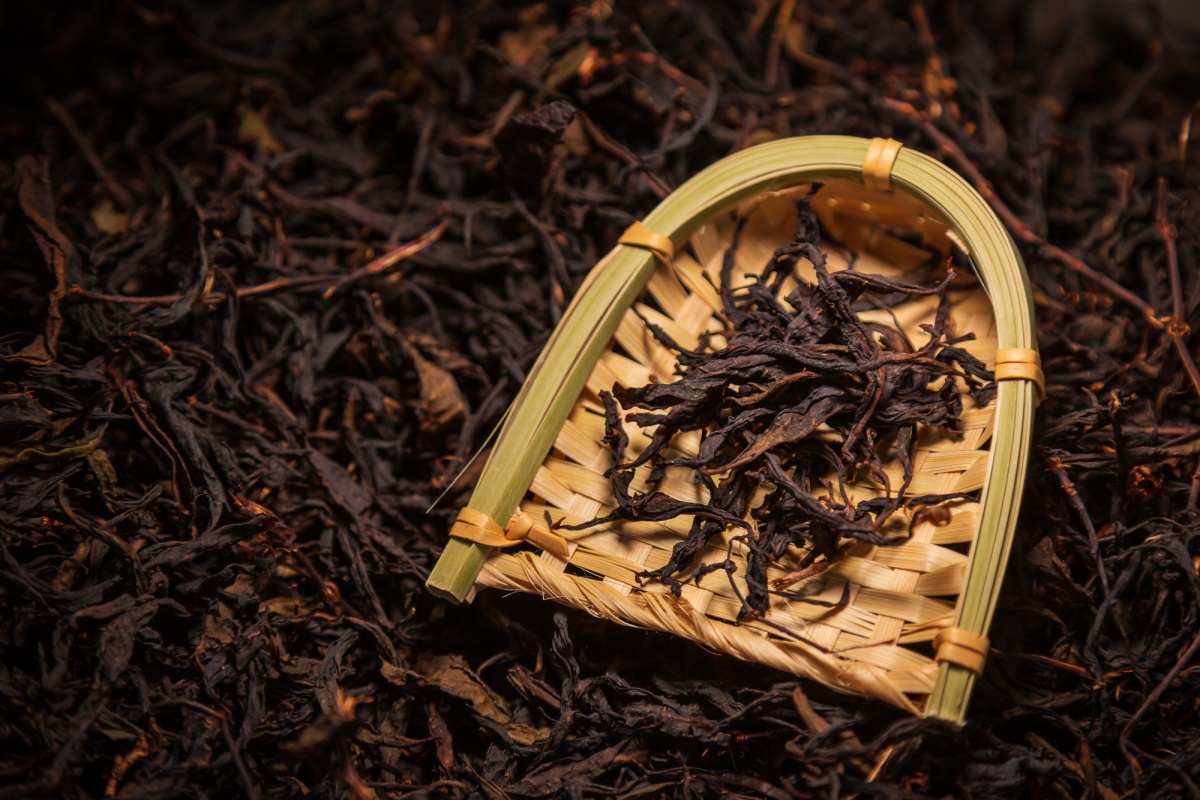
Re-firing: A final drying over pine wood enhances and stabilizes the smoky fragrance.
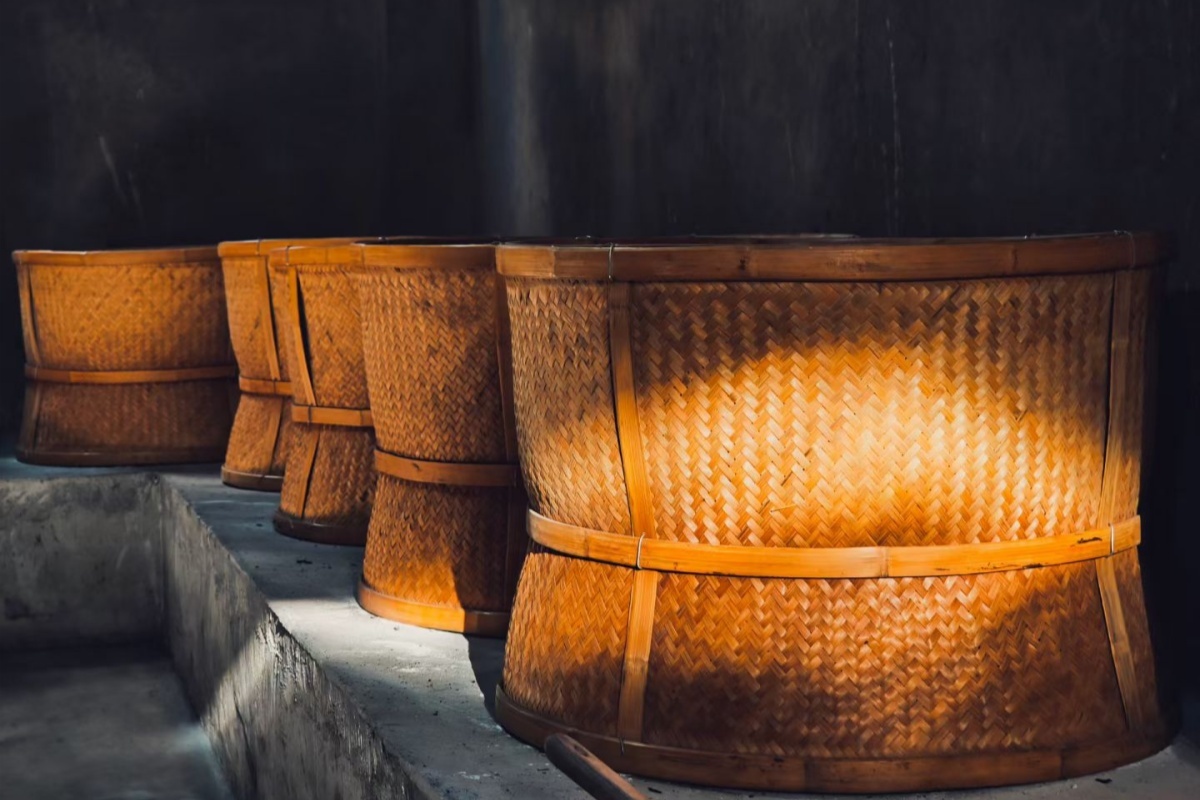
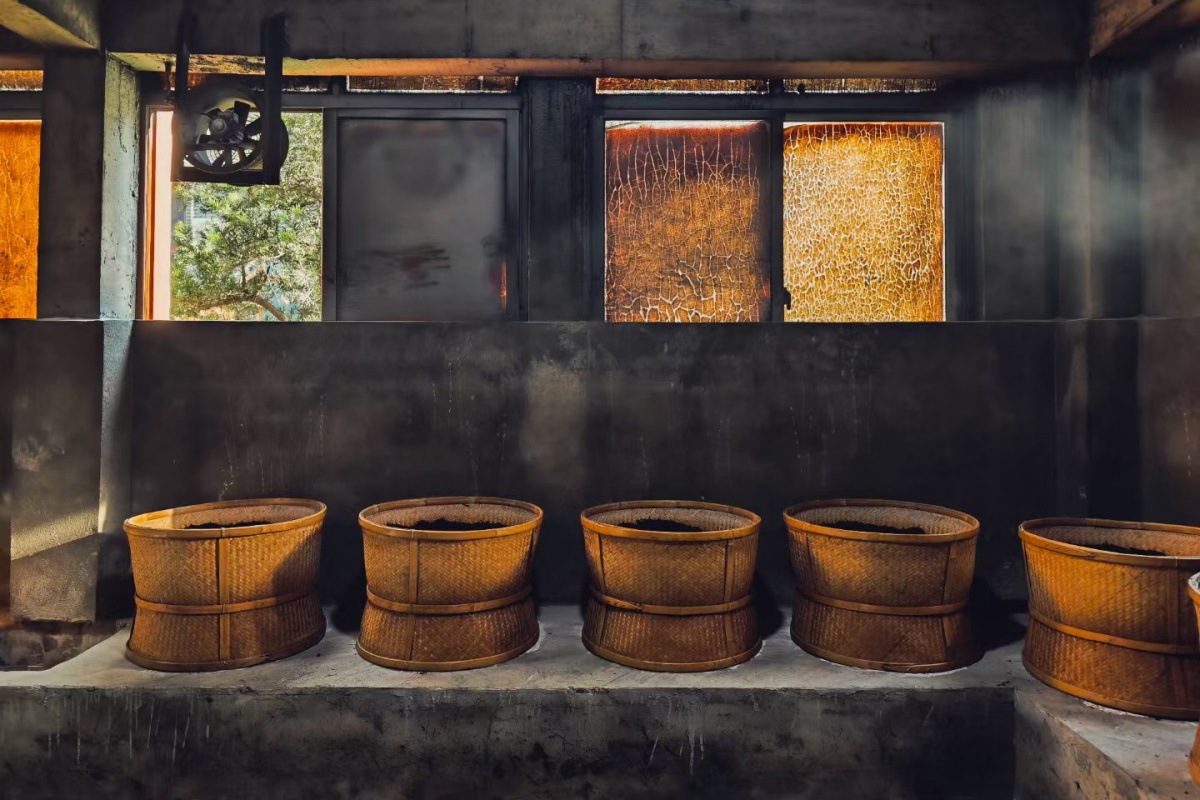
The above production processes were all carried out in the "qing lou" (smoking house)
III. Quality Characteristics
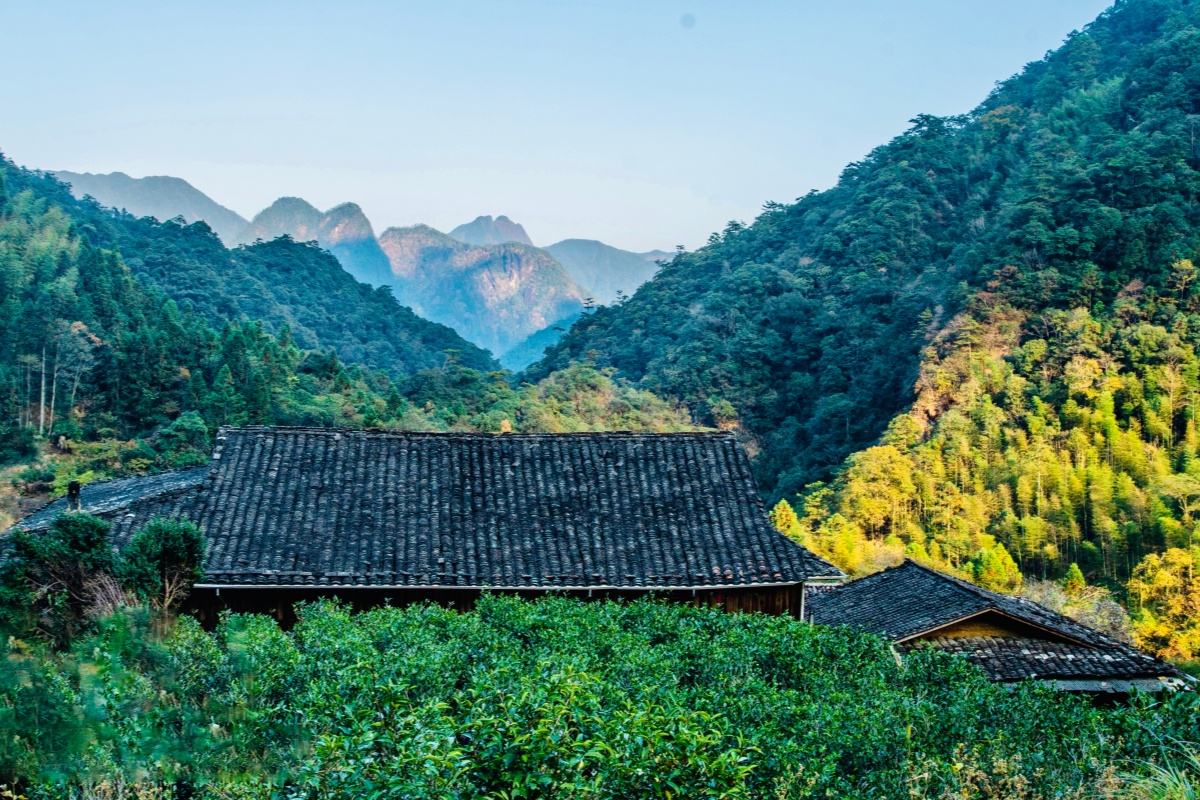
Grown within the pristine Wuyishan Biosphere Reserve, Lapsang Souchong possesses a unique terroir unmatched by other smoked teas. It is categorized mainly into two types:
Lapsang Souchong: Non-smoked or lightly smoked, valued for its subtle "dried longan" aroma and refined mineral notes.
Smoked Lapsang Souchong: Heavily smoked over pine wood, delivering a potent, smoky, and resinous pine aroma with a pronounced sweet, longan flavor.
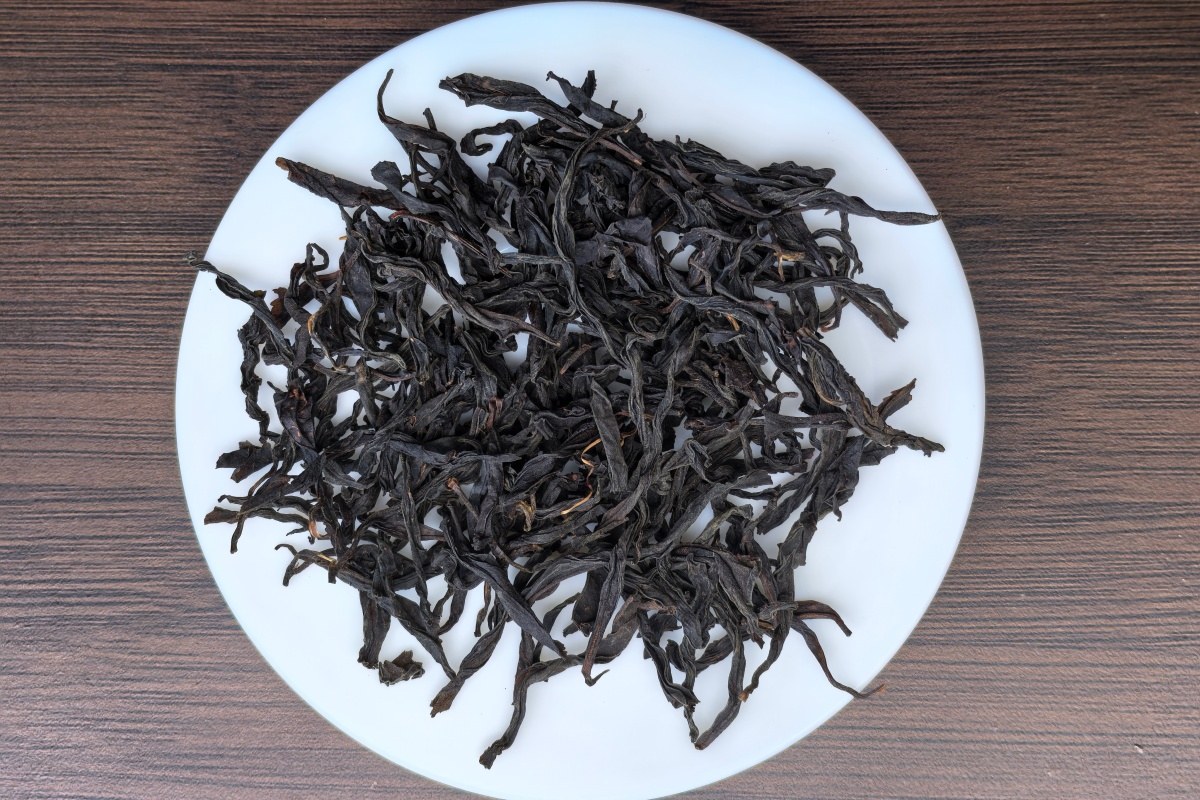
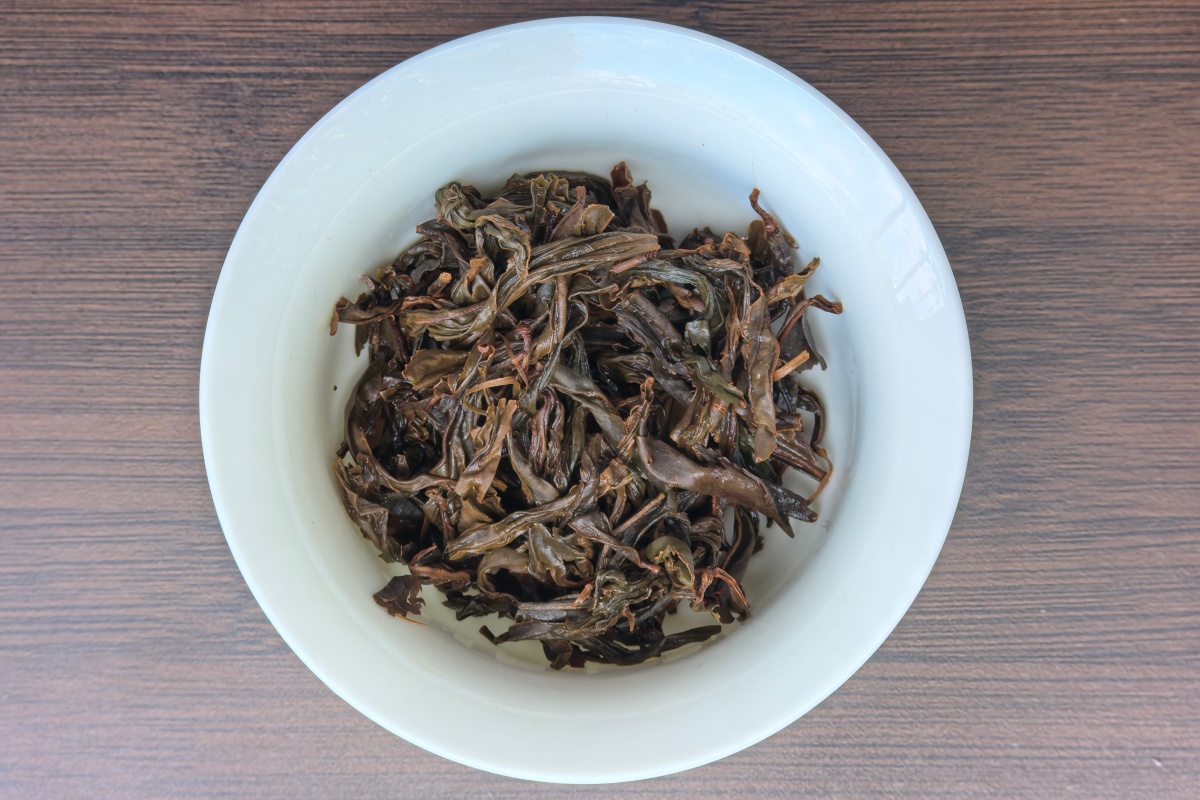
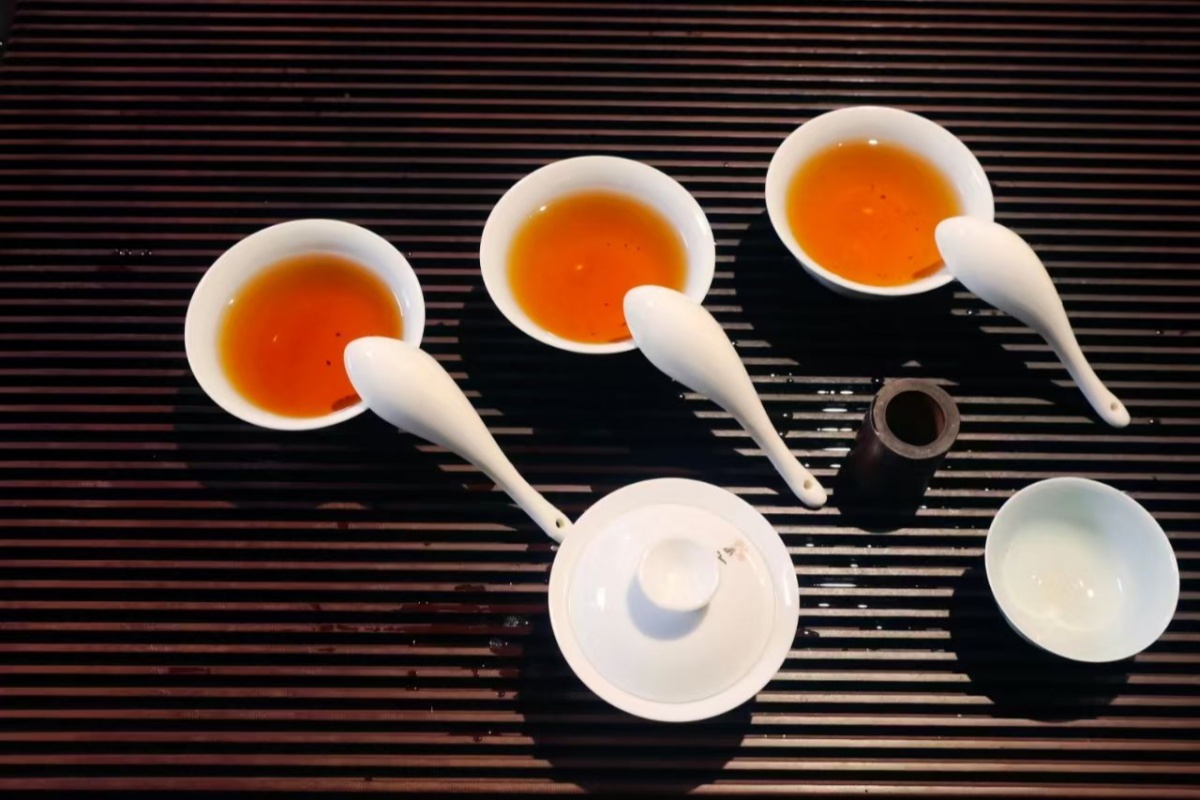
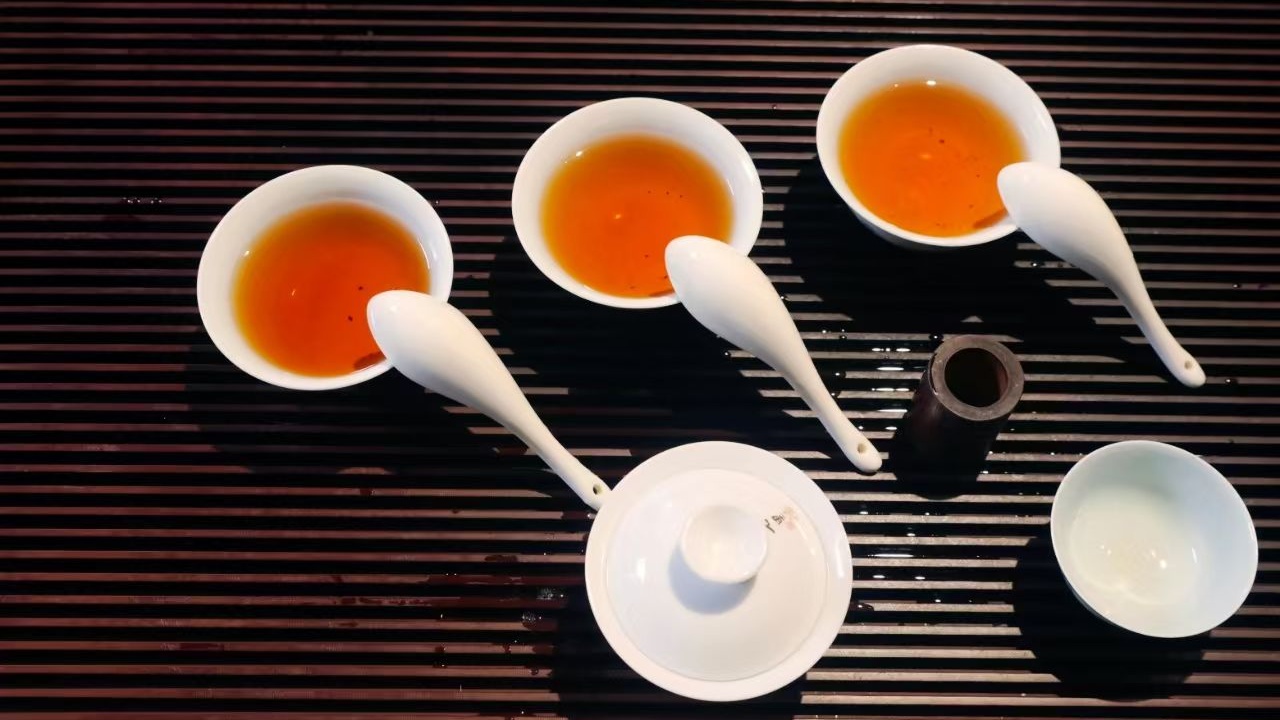
Both types share a sturdy, dark appearance. The brewed tea offers a robust, smooth, and sweet taste with remarkable longevity. Its bright, orange-red liquor remains flavorful over many infusions. Smoked Lapsang Souchong is exceptionally well-suited for drinking with milk and sugar and is also known for its excellent aging potential, often mellowing and improving over several years.